Home
/
Fish species
/
Chocolate Tang
Chocolate Tang
Origin
Albania
Habitat Size
90cm
Water Type
Salt Water
Water Temperature
10º-25ºC
Cost in India
₹200 - ₹2,000
Size
11 - 12 cm (Medium)
Diet
Carnivore
Quick Information
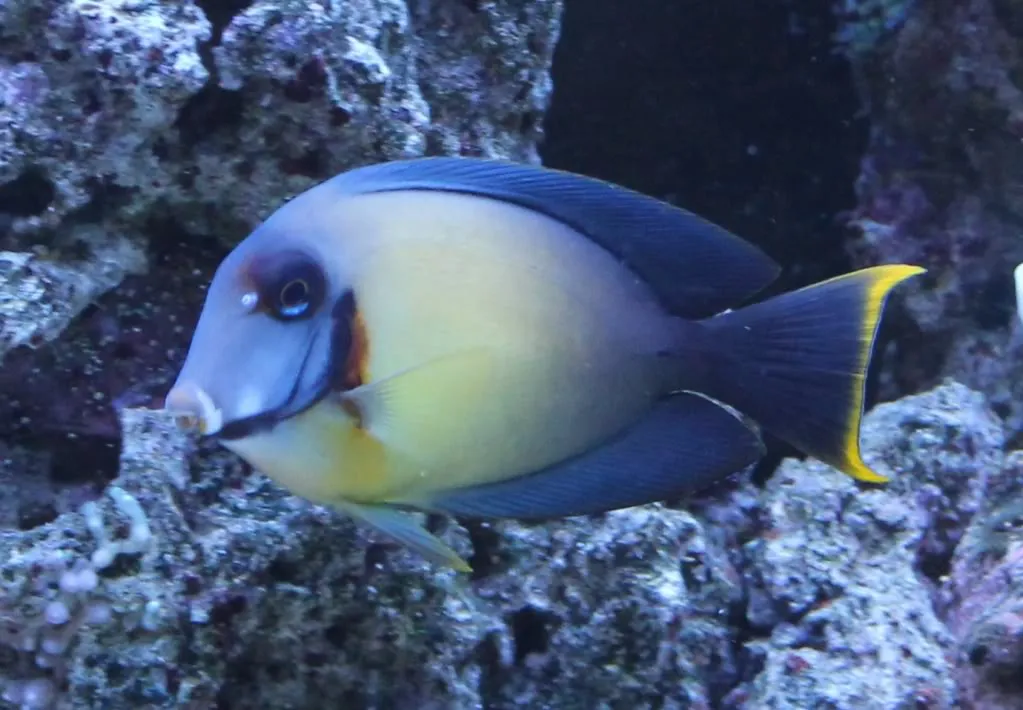
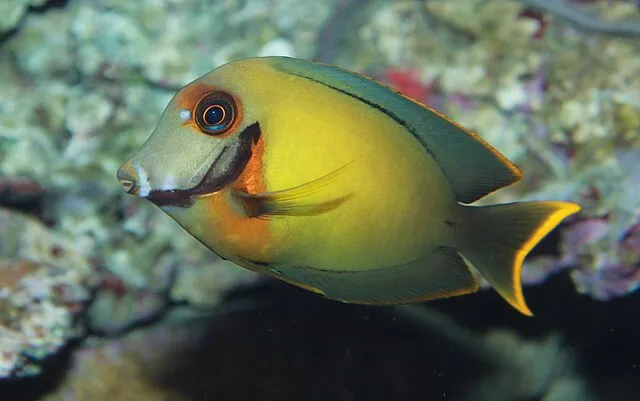
Acanthurus pyroferus, chocolate surgeonfish, mimic surgeonfish, orange-gilled surgeonfish, Pacific mimic surgeon, and yellowspot surgeon, is a species of marine ray-finned fish belonging to the family Acanthuridae, which includes the sugeonfishes, unicornfishes and tangs.
Characteristics
Temperament
Aggressive
Friendly
Compatibility with other fishes
Not Friendly
Super Friendly
Habitat Size
Small
Large


Habitat
Initial Setup Cost
₹3,000 - ₹5,000
Water Temperature
10º -25ºC
Water Type
Salt Water
PH Level
10 - 21
Acanthurus pyroferus has its dorsal fin supported by 8 spines and between 27 and 30 soft rays while the anal fin is supported by 3 spines and between 24 and 28 soft rays.[2] The overall colour of this fish's body is yellowish brown with a white band around its mouth. There is a band of dark colour running from the chin to the upper margin of the operculum with a patch of orange coloration around the base of the pectoral fin. The caudal fin has a white posterior margin.[6] The maximum published total length of this species is 29 cm (11 in).
Essential Equipment
Water filter
Heater
Nutrition
Avg Monthly Expenses
₹200 - ₹ 2,000
Acanthurus pyroferus has its dorsal fin supported by 8 spines and between 27 and 30 soft rays while the anal fin is supported by 3 spines and between 24 and 28 soft rays.[2] The overall colour of this fish's body is yellowish brown with a white band around its mouth. There is a band of dark colour running from the chin to the upper margin of the operculum with a patch of orange coloration around the base of the pectoral fin. The caudal fin has a white posterior margin.[6] The maximum published total length of this species is 29 cm (11 in).


Health
Common Health Issues
Fin rot
Fungus
Swim bladder inflammation
Ich (white spot disease)
Hole in the head disease
Fungal infections
Signs of good health
Active
Signs of sickness
White growths
Reduced activity
Long, stringy white feces
Swollen eyes
Mouth fungus
Layer of mucus
Fins become frayed or their color may fade
Bloated abdomens
Acanthurus pyroferus has its dorsal fin supported by 8 spines and between 27 and 30 soft rays while the anal fin is supported by 3 spines and between 24 and 28 soft rays.[2] The overall colour of this fish's body is yellowish brown with a white band around its mouth. There is a band of dark colour running from the chin to the upper margin of the operculum with a patch of orange coloration around the base of the pectoral fin. The caudal fin has a white posterior margin.[6] The maximum published total length of this species is 29 cm (11 in).
Prerequisites for a Fish
Adequate tank space
Financial Capability
Frequently Asked Questions
What are the different types of mimic tangs?
There are 3 forms, the lemonpeel mimic which mimics the lemonpeel angel; the yellow mimic which mimics the heraldi angel, and the half black mimic which mimics the half black angel.
What do chocolate tangs eat?
Diet should include plenty of marine algae and Spirulina, frozen mysis shrimp, and other high quality items. They typically learn to eat dry foods easily. It is preferable to feed more than once a day, with an algae clip offered approximately every other day.
Are Tang fish smart?
Despite Dory's lack-luster memory, Royal blue tangs, as a whole, are noted by numerous aquarium hobbyists as being intelligent, methodical animals; they've even been known to differentiate their caretakers from other would-be strangers.
Are chocolate tangs aggressive?
These are some of the more peaceful species of tang available and multiple juveniles can be kept together for a while. However, they will need to be separated soon as when the tangs grow older they will show signs of aggression to other tangs. They will do fine with other large more aggressive species.