Home
/
Fish species
/
Discus Fish
Discus Fish
Origin
South America
Habitat Size
Minimum 113liters
Water Type
Fresh Water
Water Temperature
27º-31ºC
Cost in India
₹500 - ₹1,000
Size
4.8 - 6 inches (Medium)
Diet
Carnivore

by Amit Kumar.Reviewed by Riya Tripathi.Updated on 24 Feb 2025
Quick Information
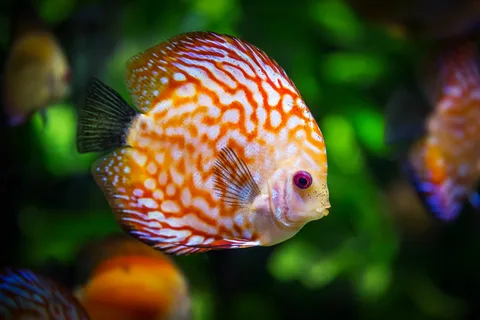
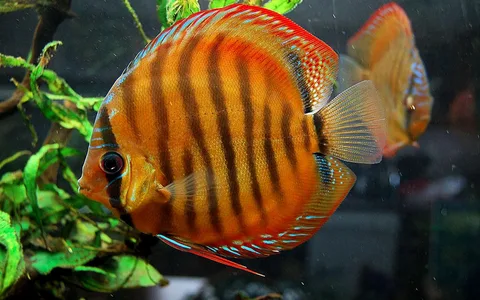
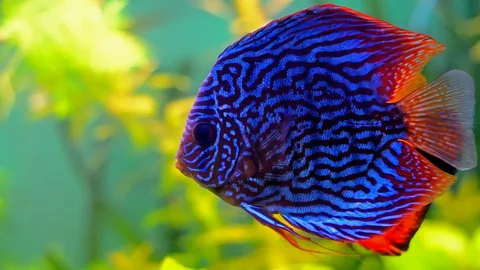
The Discus Fish, prized for its vibrant colors and elegant shape, originates from the lush waters of the Amazon River basin. These medium to large-sized fish can live up to 15 years, so they need a committed aquarist with intermediate to advanced expertise to keep them healthy. Discus fish are known for their calm and peaceful temperament, making them a good choice for a community tank with other peaceful fish. Large freshwater tanks with steady water conditions and temperatures between 27 and 31°C make up their perfect habitat. Being omnivores, discus fish need a well-balanced diet of premium flakes, pellets, and sometimes live or frozen food. However, discus fish are relatively delicate and require specific water conditions, a high-quality diet, and regular tank maintenance to thrive. Despite the moderate to high maintenance requirements, there is no greater pleasure than seeing these magnificent fish glide through a perfectly kept aquarium.
Characteristics
Temperament
Aggressive
Friendly
Compatibility with other fishes
Not Friendly
Super Friendly
Habitat Size
Small
Large


Habitat
Initial Setup Cost
₹5,000 - ₹10,000
Water Temperature
27º -31ºC
Water Type
Fresh Water
PH Level
6 - 7
Creating an optimal habitat for Discus Fish requires meticulous attention to detail. Tank size, filtration systems, and decor are just a few examples of the variables that might affect the initial setup costs. Maintaining a minimum temperature of 27°C and a maximum temperature of 31°C in the water is crucial to replicate their natural Amazonian habitat. For a small group of Discus Fish, a tank size of at least 113–200 liters is advised, as this will provide for enough of swimming room for territory establishment. The best kind of water is freshwater, which has a pH between 6.0 and 7.0. Essential equipment includes a reliable heater to maintain stable temperatures, a powerful filtration system to ensure pristine water quality, and appropriate substrate and decorations to mimic natural habitats and provide hiding spots. For the Discus to be healthy, regular water testing kits, aeration systems, and high-quality fish food that is specifically formulated for their dietary requirements are essential. Overall, the ideal habitat for Discus Fish is a spacious, well-maintained aquarium with stable water parameters, mimicking the conditions of their native Amazon River basin, providing them with the best environment to thrive and display their vibrant colors and graceful behavior.
Essential Equipment
Heater
Aquarium tank
Water filter
Light
Decor
Nutrition
Avg Monthly Expenses
₹500 - ₹ 1,000
Nutrition is crucial for the health and vibrancy of Discus Fish. To promote their growth and immune system, their food should be varied and high in proteins. The foundation of a Discus's diet should consist of premium pellets, flakes, and freeze-dried foods that are specially formulated for them. To enhance their diet and replicate their natural diet in the wild, live or frozen items like brine shrimp, bloodworms, and daphnia can be added. Small portions should be fed to them multiple times a day in order to avoid overeating and preserve the quality of the water. Adding vegetable such as blanched spinach or zucchini can also supply important vitamins and fiber. Regularly monitoring their intake and adjusting the diet as needed ensures these beautiful fish receive the nutrients necessary for optimal health and coloration.


Health
Common Health Issues
Fin rot
Pop eye (swollen eyes)
Dropsy (swollen abdomen)
Columnaris (cotton wool-like growth on the skin)
Signs of good health
Bright coloration
Good apetite
Signs of sickness
Progressive deterioration
Hemorrhaging of internal organs, skin, and muscle
Chewed on or eaten-away gills or fins
Mouth fungus
Cotton wool-like growth on the skin
Ensuring the health of Discus Fish requires careful attention to water quality, diet, and environmental conditions. Frequent water changes usually 25–50% every week help keep water parameters steady and eliminate toxins and waste that has accumulated. It is essential to keep an eye on temperature, ammonia, nitrite, and nitrate levels, as well as pH levels. The ideal pH range is 6.0 to 7.0. Their immune system and general health are supported by a diet rich in proteins and vitamins, flakes, and live or frozen foods that are well-balanced. Avoiding overfeeding and maintaining a clean environment are essential preventive measures against common diseases like bacterial or parasitic infections. Before bringing new fish to the main tank, they should first be quarantined to stop the spread of diseases. Regular observation of fish appearance and behavior can help detect any signs of illness early, enabling prompt treatment and minimizing potential health issues. Seeking advice from knowledgeable aquarists or fish health-focused veterinarians can offer further direction and assistance in preserving the health of Discus fish.
Prerequisites for a Fish
Adequate tank space
Effort & commitment
Cleanliness
Financial Capability
Written by
Amit Kumarveterinarian
Amit kumar is a pet startup writer and Dedicated blog author with a flair for crafting engaging content that informs, inspires, and entertains readers
Frequently Asked Questions
What size tank is required for discus fish?
Discus fish require large, open spaces to live in. It is advised to have a minimum tank capacity of 30 gallons while keeping a small group of Discus. But larger tanks, ideally 75 gallons or greater are better for steady water conditions and plenty of swimming room.
How should a new Discus fish be added to my tank?
Introducing new Discus Fish to an existing tank should be done cautiously to prevent stress and aggression. Before bringing new fish into the main tank, quarantine them for a few weeks in a different tank to watch for any symptoms of illness. To reduce stress, acclimate them gradually to the new surroundings
Are Discus Fish a good choice for novices?
The unique care needs of discus fish, which include water quality, food, and environmental factors, make them a better choice for experienced hobbyists. Without prior fishkeeping knowledge, beginners may find it difficult to suit the needs of Discus Fish.