Home
/
Fish species
/
Dwarf Gourami
Dwarf Gourami
Origin
South East Asia
Habitat Size
50-150Liters
Water Type
Fresh Water
Water Temperature
24º-28ºC
Cost in India
₹80 - ₹150
Size
2 - 6 inches (Small)
Diet
Omnivore

by Abhijeet AdhalikarUpdated on 24 Feb 2025
Information of Dwarf Gourami
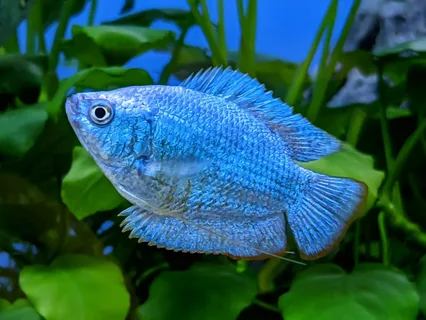
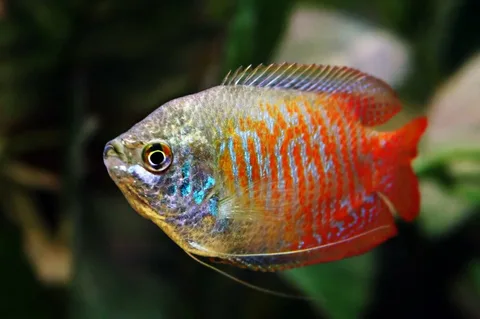
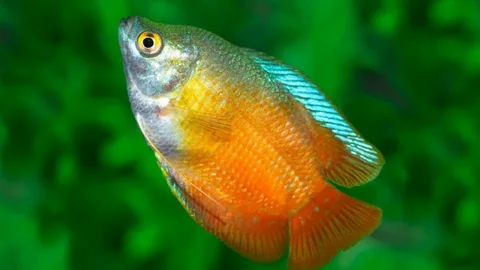
The Dwarf Gourami, scientifically known as Trichogaster lalius, is a vibrant freshwater fish native to the slow-moving streams, rice fields, and lakes of India and Bangladesh. These fish are a remarkable addition to any aquarium because of their vivid hues, which can range from deep red to dazzling blue. They thrive in a well-kept tank of at least 50 liters and usually reach a height of 2 to 6 inches. Although male dwarf gourami's can be territorial, dwarf gourami's are generally placid, which makes them great occupants of community tanks. They are omnivores and enjoy a varied diet of flakes, pellets, and live or frozen foods. Easy to care for, these fish are suitable for beginners and provide a rewarding experience with their engaging behaviors and low maintenance requirements.
Characteristics
Temperament
Aggressive
Friendly
Compatibility with other fishes
Not Friendly
Super Friendly
Habitat Size
Small
Large


Habitat of Dwarf Gourami
Initial Setup Cost
₹4,000 - ₹12,000
Water Temperature
24º -28ºC
Water Type
Fresh Water
PH Level
6 - 7.5
The ideal habitat for Dwarf Gourami includes a spacious tank of at least 50 liters with fresh water maintained at a temperature between 24-28°C. The pH should be kept between 6.0 and 7.5, with a gentle water flow to mimic their natural environment. A well-filtered and aerated tank, decorated with plants, provides necessary hiding spots and mimics their natural habitat, promoting comfort and natural behavior. Essential equipment includes a heater to maintain stable temperature, a filter for cleanliness, and an air pump for adequate oxygenation.
Essential Equipment
Water filter
Heater
Light
Substrate
Decor
Nutrition Dwarf Gourami
Avg Monthly Expenses
₹80 - ₹ 150
Dwarf Gourami's are omnivores, thriving on a varied diet that includes high-quality flakes, pellets, and occasional live or frozen foods such as brine shrimp and bloodworms. This diet ensures they receive all necessary nutrients for optimal health and vibrant coloration. It’s important to feed them small amounts multiple times a day to prevent overfeeding and maintain water quality. Regularly monitoring their diet and adjusting based on their activity and health status helps in maintaining their well-being.


Health of Dwarf Gourami
Common Health Issues
Pop eye (swollen eyes)
Dropsy (swollen abdomen)
Columnaris (cotton wool-like growth on the skin)
Ich (white spot disease)
Senile changes
Fungal infections
Signs of good health
Active
Good apetite
Bright coloration
Signs of sickness
Swimming abnormally
Lethargic behaviour
White film
Reduced activity
Maintaining the health of Dwarf Gourami's involves providing a clean and stable environment, a balanced diet, and regular monitoring for signs of illness. Common health issues like fin rot, white spot disease, and bacterial infections can be prevented by keeping the tank clean and ensuring proper water conditions. It's crucial to quarantine new fish and plants before adding them to the tank to avoid introducing diseases. Regular water changes, monitoring water parameters, and providing a varied diet help in keeping the fish healthy. Observing the fish daily for any changes in behavior or appearance allows for early detection and treatment of potential health problems.
Prerequisites for a Fish
Adequate tank space
Cleanliness
Enriching Environment
Effort & commitment
Frequently Asked Questions
How can I maintain the health of my Dwarf Gourami?
Maintain a clean tank, provide a balanced diet, and regularly monitor water conditions. Quarantine new fish and plants before adding them to the tank.
Are Dwarf Gourami's territorial?
Males can be territorial, especially during breeding, but they are generally peaceful with other fish.
What are common health issues for Dwarf Gourami's?
Common health issues include fin rot, white spot (ick), velvet disease, bacterial infections, swim bladder disease, and fungal infections.