Home
/
Fish species
/
Filament Barb
Filament Barb
Origin
India
Habitat Size
12cm
Water Type
Fresh Water
Water Temperature
10º-25ºC
Cost in India
₹3,000 - ₹5,000
Size
10 - 11 cm (Small)
Diet
Carnivore
Quick Information
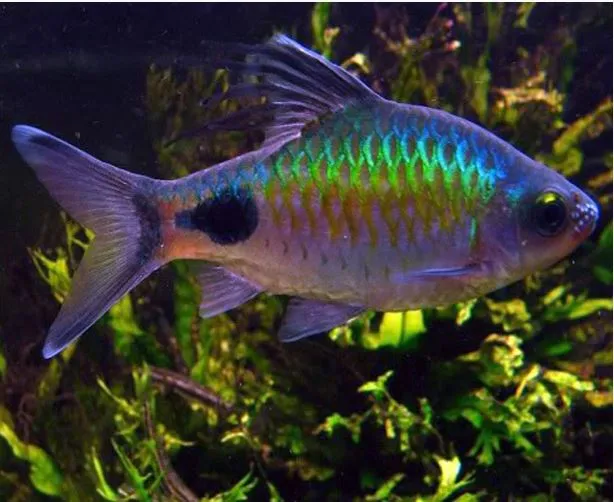
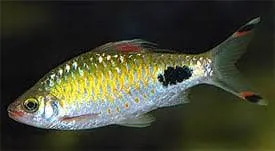
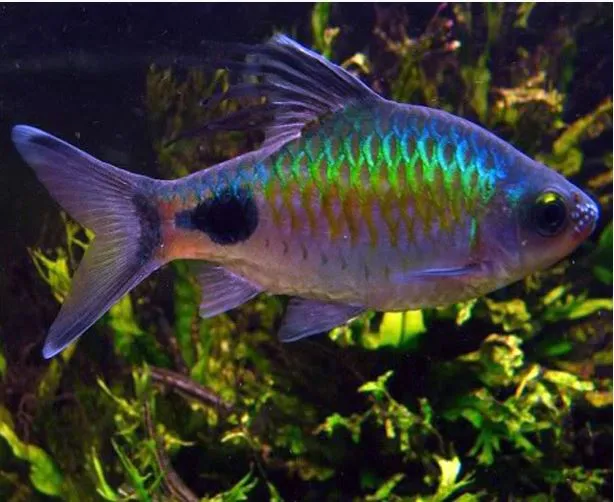
Dawkinsia filamentosa, the filament barb, or poovali paral is a species of barb. Young fish have barely any color and black spots. They start having more color at three months old. The fish is a swift swimmer. Males are larger than females and they fertilize eggs by swimming into the cloud of eggs.
Characteristics
Temperament
Aggressive
Friendly
Compatibility with other fishes
Not Friendly
Super Friendly
Habitat Size
Small
Large


Habitat
Initial Setup Cost
₹2,000 - ₹5,000
Water Temperature
10º -25ºC
Water Type
Fresh Water
PH Level
5 - 9
Dawkinsia filamentosa, the filament barb, or poovali paral is a species of barb. Young fish have barely any color and black spots. They start having more color at three months old. The fish is a swift swimmer. Males are larger than females and they fertilize eggs by swimming into the cloud of eggs.
Essential Equipment
Heater
Water filter
Aquarium tank
Nutrition
Avg Monthly Expenses
₹3,000 - ₹ 5,000
Dawkinsia filamentosa, the filament barb, or poovali paral is a species of barb. Young fish have barely any color and black spots. They start having more color at three months old. The fish is a swift swimmer. Males are larger than females and they fertilize eggs by swimming into the cloud of eggs.


Health
Common Health Issues
Fungus
Dropsy (swollen abdomen)
Swim bladder inflammation
Hole in the head disease
Fungal infections
Signs of good health
Active
Bright coloration
Good apetite
Signs of sickness
Spitting out food
White film
Frequent hiding
Layer of mucus
Chewed on or eaten-away gills or fins
Hemorrhaging of internal organs, skin, and muscle
Black coloration
Progressive deterioration
Fins become frayed or their color may fade
Dawkinsia filamentosa, the filament barb, or poovali paral is a species of barb. Young fish have barely any color and black spots. They start having more color at three months old. The fish is a swift swimmer. Males are larger than females and they fertilize eggs by swimming into the cloud of eggs. Dawkinsia filamentosa, the filament barb, or poovali paral is a species of barb. Young fish have barely any color and black spots. They start having more color at three months old. The fish is a swift swimmer. Males are larger than females and they fertilize eggs by swimming into the cloud of eggs.
Prerequisites for a Fish
Adequate tank space
Financial Capability
Frequently Asked Questions
What do filament barbs eat?
Flake, green flake, slow-sinking pellet foods, cucumber, spinach, frozen foods such as mosquito larvae, brineshrimp, Mysis shrimp, krill, chopped prawns. Will avidly consume all but the most robust aquatic plants
What is the best tank mate for filament barb?
Filament Barb - a larger species of barb, best kept in. a shoal. Suitable tank mates include other barb. species, rainbows and loaches.
What food for barb?
Tiger Barb Diet and Feeding Include quality pelleted or flake food, as well as live and frozen foods such as brine shrimp, bloodworms, and beef heart. They will quickly gobble up small aquatic invertebrates and even cooked vegetables
What kind of fish is a barb?
barb, (genus Barbus), any of numerous freshwater fishes belonging to a genus in the carp family, Cyprinidae. The barbs are native to Europe, Africa, and Asia. The members of this genus typically have one or more pairs of barbels (slender, fleshy protuberances) near the mouth and often have large, shining scales.