Home
/
Fish species
/
Flagfin Angelfish
Flagfin Angelfish
Origin
Bolivia
Habitat Size
90cm
Water Type
Salt Water
Water Temperature
10º-25ºC
Cost in India
₹5,000 - ₹6,000
Size
10 - 12 cm (Medium)
Diet
Herbivore
Quick Information
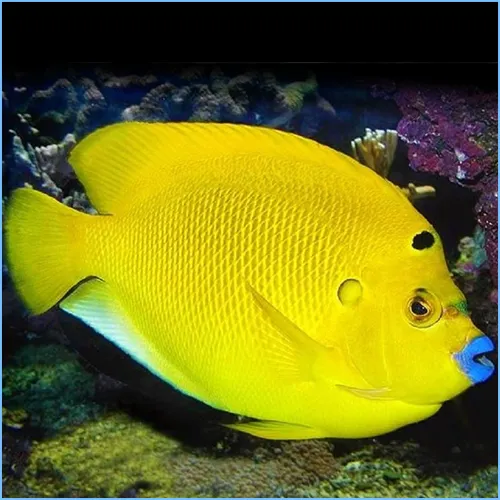
Apolemichthys trimaculatus, the threespot angelfish or flagfin angelfish, is a demersal marine ray-finned fish, a marine angelfish belonging to the family Pomacanthidae. It has a wide Indo-Pacific distribution
Characteristics
Temperament
Aggressive
Friendly
Compatibility with other fishes
Not Friendly
Super Friendly
Habitat Size
Small
Large


Habitat
Initial Setup Cost
₹3,000 - ₹5,000
Water Temperature
10º -25ºC
Water Type
Salt Water
PH Level
5 - 9
Apolemichthys trimaculatus, the threespot angelfish or flagfin angelfish, is a demersal marine ray-finned fish, a marine angelfish belonging to the family Pomacanthidae. It has a wide Indo-Pacific distributionApolemichthys trimaculatus, the threespot angelfish or flagfin angelfish, is a demersal marine ray-finned fish, a marine angelfish belonging to the family Pomacanthidae. It has a wide Indo-Pacific distribution
Essential Equipment
Aquarium tank
Water filter
Heater
Nutrition
Avg Monthly Expenses
₹5,000 - ₹ 6,000
Apolemichthys trimaculatus, the threespot angelfish or flagfin angelfish, is a demersal marine ray-finned fish, a marine angelfish belonging to the family Pomacanthidae. It has a wide Indo-Pacific distributionApolemichthys trimaculatus, the threespot angelfish or flagfin angelfish, is a demersal marine ray-finned fish, a marine angelfish belonging to the family Pomacanthidae. It has a wide Indo-Pacific distributionApolemichthys trimaculatus, the threespot angelfish or flagfin angelfish, is a demersal marine ray-finned fish, a marine angelfish belonging to the family Pomacanthidae. It has a wide Indo-Pacific distribution


Health
Common Health Issues
Fin rot
Columnaris (cotton wool-like growth on the skin)
Bacterial infections
Ammonia poisoning
Velvet
White spot / ick
Parasitic infections
Swim bladder disease
Signs of good health
Active
Bright coloration
Good apetite
Signs of sickness
Loss of appetite
White growths
Swimming abnormally
Yellowish-brown spots on the skin
Swollen eyes
Bloated abdomens
Fins become frayed or their color may fade
Apolemichthys trimaculatus, the threespot angelfish or flagfin angelfish, is a demersal marine ray-finned fish, a marine angelfish belonging to the family Pomacanthidae. It has a wide Indo-Pacific distributionApolemichthys trimaculatus, the threespot angelfish or flagfin angelfish, is a demersal marine ray-finned fish, a marine angelfish belonging to the family Pomacanthidae. It has a wide Indo-Pacific distributionApolemichthys trimaculatus, the threespot angelfish or flagfin angelfish, is a demersal marine ray-finned fish, a marine angelfish belonging to the family Pomacanthidae. It has a wide Indo-Pacific distribution
Prerequisites for a Fish
Adequate tank space
Financial Capability
Frequently Asked Questions
What size tank does a Flagfin angelfish need?
100 gallons The Flagfin Angelfish should be housed in an aquarium with plenty of room to swim, and should be kept in a tank not less than 100 gallons. It grows up to 8 inches in the wild but is imported much smaller, and tends to cruise around in the lower portion of the tank, swimming in and out of caves.
What is the temperament of a flagfin angelfish?
Additionally, this fish is known for its peaceful nature, making it a great addition to a community tank. When it comes to care, it's important to note that the Flagfin Angel is not the best choice for a reef dwelling setup. Instead, ensure that your tank offers plenty of hiding places for the fish.
What do Flagfin angelfish eat?
Some went after only brine, some only pellets, others mysis and one after everything. Whatever they were eating I would just feed heavily of that. I've found that most angels just love Spectrum pellets.
What is the minimum Litre for angelfish?
180 litres Tank care. Standard angelfish grow to 3” body length and 6” high, so need a large aquarium with a minimum size of 180 litres. In a tank of that size four or five juveniles can be added, but as they grow older, if a pair forms, the other angelfish may have to be removed.