Home
/
Fish species
/
Honey Gourami
Honey Gourami
Origin
India
Habitat Size
10cm
Water Type
Fresh Water
Water Temperature
10º-25ºC
Cost in India
₹3,000 - ₹5,000
Size
10 - 20 cm (Small)
Diet
Omnivore
Quick Information
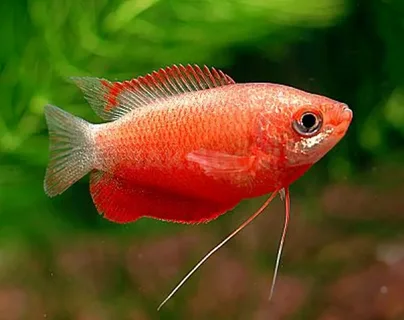
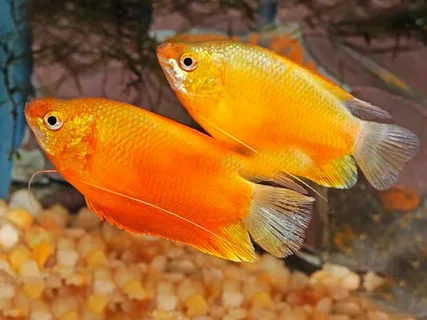
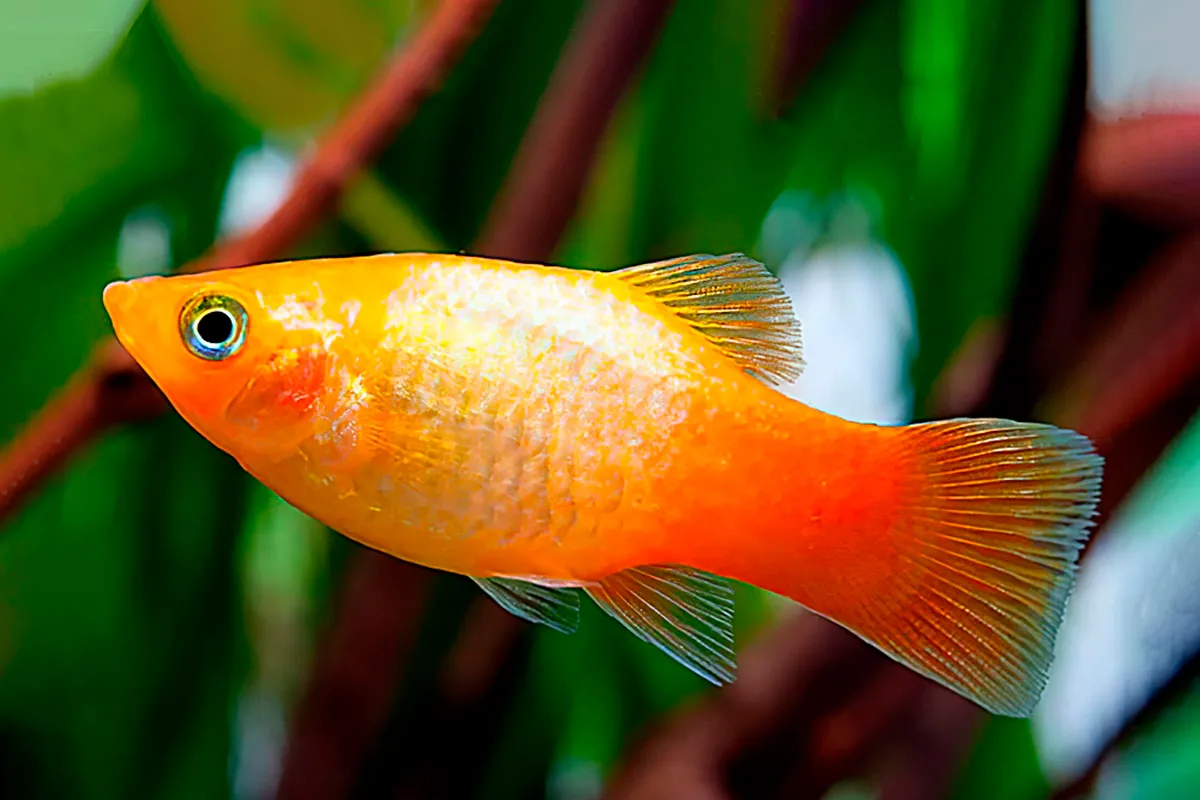
They have orange-colored bodies. This species can reach a length of 5.5 centimetres (2.2 in) TL.[4] Male specimens of this fish, typical of many gouramis, are generally more colourful than their female counterparts. They exhibit bright orange colouring around the throat region, which at breeding time becomes much brighter and is used to court the female. The undersides of the males become black when breeding. Males also exhibit somewhat of an orange tinge in their fins, with the exception of the caudal fin. The male also has longer fins, with a pointed dorsal fin and extended anal fin rays.[5] Two other color varieties have been selectively bred—a red-orange variety known as sunset or robin red, and a lighter variety called gold. This can sometimes lead to confusion, in part because the red-orange type can look like the red variety of dwarf gourami (Trichogaster lalia).
Characteristics
Temperament
Aggressive
Friendly
Compatibility with other fishes
Not Friendly
Super Friendly
Habitat Size
Small
Large


Habitat
Initial Setup Cost
₹2,000 - ₹3,000
Water Temperature
10º -25ºC
Water Type
Fresh Water
PH Level
5 - 9
The honey gourami is typically found in rivers and lakes in its native range of India and Bangladesh. It inhabits areas of thick vegetation in soft and poorly mineralised waters. This fish prefers the top and middle levels of the water.
Essential Equipment
Water filter
Nutrition
Avg Monthly Expenses
₹3,000 - ₹ 5,000
Honey Gouramis are omnivores, requiring a diet that includes algae-based and meaty foods. This fish enjoys fresh or flake foods once or twice a day. A diet of algae-based flakes, bloodworms, and brine shrimp will provide sufficient nutrition for Honey Gouramis.


Health
Common Health Issues
Fin rot
Fungus
Hole in the head disease
Velvet disease (yellowish-brown spots on the skin)
Bacterial infections
Ammonia poisoning
Signs of good health
Active
Bright coloration
Signs of sickness
Loss of appetite
White growths
Swollen eyes
Cotton wool-like growth on the skin
Swollen abdomen
Fins become frayed or their color may fade
As mentioned before, honey gouramis are used to living in a wide range of conditions, such as pH of 6.0–8.0, temperatures between 74–82°F (23–28°C), and soft to hard water hardness (or GH). A single honey gourami can live in a 5- or 10-gallon tank, but a group of three gouramis would do better in a 20-gallon aquarium.
Prerequisites for a Fish
Adequate tank space
Financial Capability
Cleanliness
Frequently Asked Questions
Are honey Gouramis single or pair?
Both sexes are equally good-natured and can live alone or in a group. They are not schooling fish and do not tend to swim together if they are comfortable with their surroundings. If you keep a pair of them, make sure they have plenty of room and that one gourami is not dominating the other.
Can 2 different gouramis live together?
Male gouramis have a tendency to be aggressive towards each other, so they should typically be kept individually. Female gouramis usually tolerate each other well. Mixing different species or color varieties of gouramis should only be done in larger, well decorated tanks.
How many gourami can be together?
As a broad stroke generalization, most gouramis do best in groups of four or more with one male (or none!) in the tank. Most gouramis will do better if kept in groups of six or more, but four is a good starting point - especially if you want to keep other tank mates with them.
As a broad stroke generalization, most Most gouramis will do better.
The fish was bred in captivity under controlled environment. It laid about 200-400 eggs in bubble nest built by the male. Hatching started within 28-30 hrs after egg laying. The hatchlings became free swimming by 3rJ to 4rh day of hatching.