Home
/
Fish species
/
Indian Glassfish
Indian Glassfish
Origin
India
Habitat Size
Minimum 38 Liters
Water Type
Fresh Water
Water Temperature
22º-26ºC
Cost in India
₹500 - ₹1,000
Size
2 - 3 inches (Small)
Diet
Omnivore
Indian Glassfish Breed Information
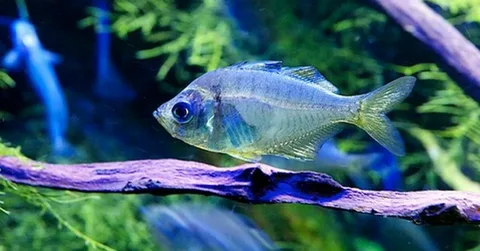
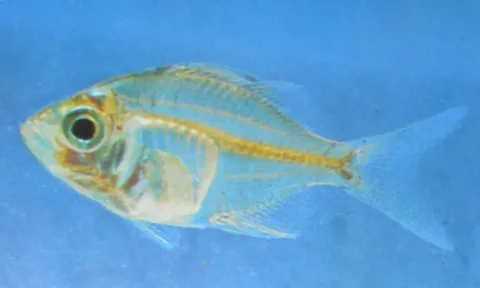
Indian Glassfish, scientifically known as Parambassis Ranga, is a captivating freshwater fish native to South Asia. These translucent beauties' delicate appearance and peaceful personality lend an ethereal touch to any aquarium. They enjoy densely planted tanks with lots of hiding places, and they do best in small schools. Indian Glassfish are a great option for novice aquarists because they require little maintenance. They are omnivores that will eat a wide range of foods, such as flakes, brine shrimp, bloodworms, and micro worms. The water temperatures that work best for them are between 72 and 78°F (22 and 26°C). With proper care, these fish can live for 3-5 years, bringing tranquility and elegance to any aquatic environment.
Characteristics
Temperament
Aggressive
Friendly
Compatibility with other fishes
Not Friendly
Super Friendly
Habitat Size
Small
Large


Indian Glassfish Habitat Information
Initial Setup Cost
₹2,000 - ₹5,000
Water Temperature
22º -26ºC
Water Type
Fresh Water
PH Level
6.5 - 7
Indian Glassfish should be kept in conditions that are similar to their naturally calm, freshwater environments. A tank of at least 38 liters (10 gallons) with a gentle filter provides ample space for a small school to swim. Avoid using excessively bright lighting as Indian Glassfish prefer the subdued light that would come from a forest canopy. Live plants and driftwood offer hiding places and grazing areas for these peaceful fish. Soft water with a slightly acidic to neutral pH (6.5-7.5) and a stable temperature between 72-78°F (22-26°C) is ideal.
Essential Equipment
Aquarium tank
Heater
Light
Indian Glassfish Nutrition Information
Avg Monthly Expenses
₹500 - ₹ 1,000
Indian Glassfish are omnivores and thrive on a varied diet. They need a balanced diet that includes both plant- and animal-based items because they are omnivores. High-quality flake or pellet meals formulated for tropical fish should be a part of their diet, along with frozen or live foods like brine shrimp, bloodworms, and daphnia. Providing a range of foods guarantees that they get all the vital nutrients they require to thrive. In order to satisfy their herbivorous tendencies, Indian Glassfish also benefit from the occasional vegetable stuff, such as blanched spinach or cucumber slices. To avoid overfeeding and preserve the quality of the water, it's crucial to feed them little portions several times a day. Providing Indian Glassfish with a varied and wholesome diet will improve their general health, color, and lifespan.


Health
Common Health Issues
Pop eye (swollen eyes)
Dropsy (swollen abdomen)
Columnaris (cotton wool-like growth on the skin)
Swim bladder inflammation
Ich (white spot disease)
Signs of good health
Good apetite
Bright coloration
Signs of sickness
Necrosis and ulcer on different body parts
Fins become frayed or their color may fade
Hemorrhaging of internal organs, skin, and muscle
Chewed on or eaten-away gills or fins
Swollen eyes
When kept in a clean and well-maintained environment, Indian Glassfish are typically hardy fish with a good resistance to disease. Frequent tank maintenance is necessary to avoid ammonia and nitrite surges, which can stress and weaken the fish. This maintenance includes partial water changes and gravel cleaning. Ich is a common parasitic disease that can infect Indian Glassfish. If you notice white spots on their bodies, treat the tank with a copper-based medication following the recommended dosage. You can keep your Indian Glassfish healthy and disease-free by keeping the water clean and avoiding overcrowding. Observing their behavior for signs of stress, disease, or injury such as loss of appetite, abnormal swimming patterns, or visible lesions, and taking prompt action by isolating affected individuals and seeking veterinary advice if necessary, are crucial preventive measures. Providing Indian Glassfish with a stress-free habitat that includes enough hiding places and compatible tank mates is also important for their general wellbeing.
Prerequisites for a Fish
Financial Capability
Cleanliness
Adequate tank space
Effort & commitment
Frequently Asked Questions
How many Indian Glassfish should I keep together?
Indian Glassfish are social creatures that do best in groups of six or more. Keeping them in smaller groups could cause stress and aggression.
Do Indian Glassfish exhibit aggression?
The majority of Indian Glassfish are calm and non-aggressive with other fish species. They might, however, behave in a territorial manner, particularly while breeding. Having lots of space and hiding places can assist lessen hostility.
How should an Indian Glassfish be acclimated to a new tank?
To avoid stress and shock, it's crucial to slowly acclimate Indian Glassfish to a new tank. This can be done by floating the bag containing the fish in the aquarium for about 15-20 minutes to equalize temperature, then gradually adding small amounts of aquarium water to the bag over the course of an hour before releasing them into the tank.