Home
/
Fish species
/
Zebra Danio
Zebra Danio
Origin
India
Habitat Size
Minimum 30 Liters
Water Type
Fresh Water
Water Temperature
18º-24ºC
Cost in India
₹1,200 - ₹2,200
Size
2 - 2.5 inches (Small)
Diet
Herbivore
Quick Information
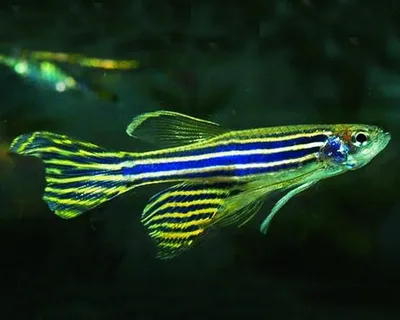
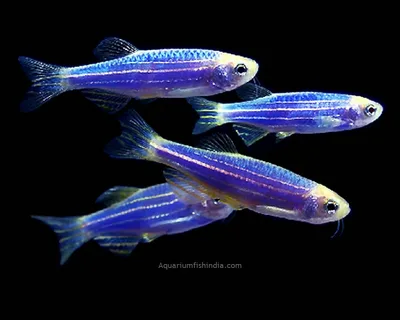
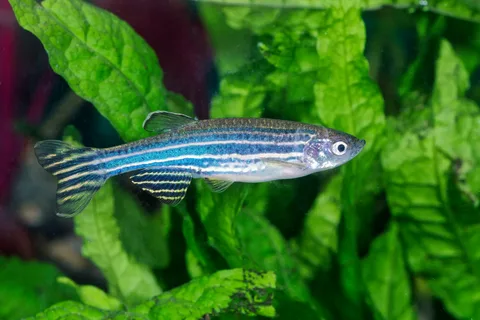
The Zebra Danio, also known as Danio rerio, is a small freshwater fish that is native to South Asia. It is well-known for its beautiful black and white striped pattern that resembles a zebra, which provides a compelling charm to any aquarium. Zebra Danios are very active and sociable, and they thrive in groups. They're an excellent choice for both beginner and proficient aquarists because of their calm personalities and easy-to-care-for nature. These sturdy fish are noted for their versatility and ability to flourish in a wide range of tank environments, making them a popular choice among hobbyists all over the world.
Characteristics
Temperament
Aggressive
Friendly
Compatibility with other fishes
Not Friendly
Super Friendly
Habitat Size
Small
Large


Habitat
Initial Setup Cost
₹1,500 - ₹2,999
Water Temperature
18º -24ºC
Water Type
Fresh Water
PH Level
4 - 7
Zebra Danios thrive in spacious aquariums with clean, well-oxygenated water and plenty of hiding spaces within plants or driftwood. They flourish in water temperatures ranging from 64°F to 74°F (18°C to 24°C) and prefer a pH of slightly acidic to neutral. Maintaining ideal water quality requires frequent water changes and adequate filtration. Furthermore, feeding a range of live or frozen foods will ensure their nutritional demands are fulfilled with occasional feeds of high-quality flakes or pellets.
Essential Equipment
Water filter
Aquarium tank
Heater
Light
Substrate
Decor
Nutrition
Avg Monthly Expenses
₹1,200 - ₹ 2,200
A nutritious diet is essential for the health and energy of Zebra Danio fish, a popular freshwater species commonly kept in aquariums. Their omnivorous diet should consist of a diverse range of protein-rich foods, including brine shrimp, bloodworms, and commercial flakes or pellets. Fresh vegetables, such as blanched spinach or peas, can also help strengthen their diet by providing vital vitamins and fiber. Overfeeding should be avoided in order to minimize water contamination and health problems. Regularly rotating their diet ensures that they acquire all of the nutrients required for maximum growth and coloration, maintaining a vibrant aquatic environment.


Health
Common Health Issues
Dropsy (swollen abdomen)
Color dimming
Carp pox
Ammonia poisoning
Bacterial infections
Signs of good health
Bright coloration
Good apetite
Undamaged fins
Active
Signs of sickness
Loss of appetite
White growths
Spitting out food
Long, stringy white feces
Swollen abdomen
Reduced activity
Increased breathing rate
Cloudy eyes
Zebra Danios flourish in aquariums with clean water, moderate temperatures, and plenty of room to swim. Regular monitoring of water aspects such as pH, ammonia, and nitrate levels is essential for their survival. To strengthen their immune system, they must be fed a varied, protein-rich diet and given sufficient nourishment. To keep them in good health, keep a constant eye out for signs of illness, such as loss of appetite or odd swimming patterns. New fish should be quarantined before being introduced to the main tank to help avoid illness transmission. Regular water changes, filter maintenance, and reducing stress levels through correct tank setup are all important preventive measures for Zebra Danios.
Prerequisites for a Fish
Adequate tank space
Cleanliness
Financial Capability
Frequently Asked Questions
Are Zebra Danios appropriate for beginner fish keepers?
Yes, Zebra Danios are good for beginner fish keepers because they are resilient and quite easy to care for. They are a popular choice for beginner aquarists due to their adaptability and resistance to variations in water parameters.
Do Zebra Danios need a lot of room to swim?
They are active swimmers and do not require a vast swimming area, but a well-sized tank is essential for their overall health.
Are Zebra Danios water-quality-sensitive?
Yes, zebra Danios can be sensitive to poor water quality and need clean water.