Home
/
Bird species
/
Amazon Parrot
Amazon Parrot
Origin
South America
Size
Medium Breed
Ideal Weather
20º-29ºC
Avg Monthly Expenses
₹2,500
Basic Lifestyle
₹3,500
Premium Lifestyle
Top 5 Traits
Friendly
Talkative
Playful
Intelligent
Social

Introduction to Amazon Parrots
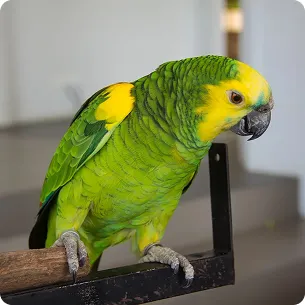
Amazon Parrots are medium-sized birds that hail from South and Central America. They are known for their vibrant colored feathers, lively personality and vocal abilities. They make wonderful family pets. On the other and, they need maintenance, care and love for them to flourish. If you are looking for an Amazon Parrot for your home, here are a few details about their care, nutritional requirements and characteristics.
Coat Variant | Description | Rarity | Recognition |
White | Sleek & Shiny with low grooming needs | Common | AKC, FCI |
Fawn | Yellow to tan, often with a black mask. Yellow to tan, often with a black mask | Less Common | - |
Amazon Parrot Lifespan
Amazon Parrots typically live somewhere from 40 to 60 years. With appropriate care, dietary modifications and medical care, they can outlive their peers.
Physical traits of Amazon Parrots
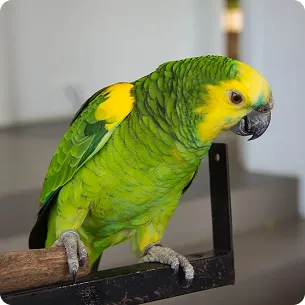
Amazon Parrots are medium-sized birds with bright green feathers. Here are some of the physical traits of the Amazon Parrots-
- They are typically 10 to 18 inches in length.
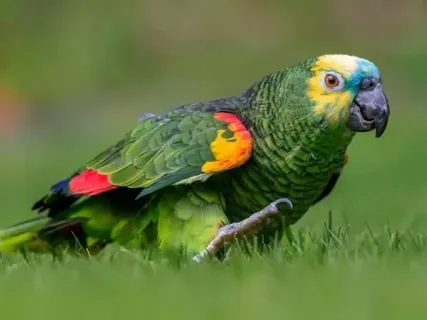
- They have bright green feathers with vibrant touches of yellow, red and and blue.
- They are quite sensitive to the changes in the environment.
Temperament of Amazon Parrot
- They are intelligent and show a wide range of emotions.
- They are vocal and highly affectionate.
- They form a close bond with humans and thrive on regular interactions.
- If trained, they can talk and pick up words and are highly talkative.
Exercise Needs of Amazon Parrots
- Keep their minds busy. They need daily mental and physical activities to stay happy and healthy.
- Give them toys they can climb, chew, and figure out. Puzzle toys and interactive games go a long way.
- In the wild, they spend hours searching for food. You can recreate that by hiding treats or using foraging toys in their space.
- Trick training is a great exercise and a chance to build trust and communication with your bird.
- Feeding, playtime, and rest around the same time every day help them feel safe and secure.
Characteristics
Affection
Not Friendly
Super Friendly
Vocalization
Silent
Vocal
Intelligence
Low
High
Social Behavior
Prefer Isolation
Very Social


Nutrition Guidelines for Amazon Parrots
Monthly Food Expenses
₹1,500 - ₹ 2,000
Ideal weight
300 - 600 grams
Essential Nutrients
Protein
Carbohydrates
Fats
Vitamins
Minerals
List of foods
Seeds
Nuts
Fruits
Vegetables
Sprouts
Pellets
Leafy Greens
Amazon Parrots require a balanced diet that contains proteins, vitamins, minerals, and fats. Here is what you should focus on while designing a diet for your bird.
- Protein-rich food helps in muscle development and growth.
- Fats are used in a balanced fashion that helps in providing energy and lustrous feathers.
- Nutrients that support immunity, bone development and joint health.
Best food to feed your Amazon Parrots
Here are some of the best food items that you can feed your Amazon Parrot-
- Include seeds and pellets as the base food.
- Include vegetables like bell peppers, carrots and leafy greens in their diet.
- You can also feed them fruits like apples, strawberries, papaya, mangoes and cherries.
- Keeping them hydrated is equally important. Provide clean water in adequate amounts.
Never feed these foods to Amazon Parrot
Avoid anything with these ingredients
Avocado
Dairy products
Alcohol
Onions
Garlic
Chocolate
Caffeine
Just like how you got an idea of what all the food items should be fed to your pet bird. It is also essential to know what food items can cause harm to your pet. Here is a list of those food items that should be avoided-
- Avoid food items that have a high amount of fat, which leads to obesity.
- You should not feed them foods like chocolates, avocado, alcohol, caffeine, onion and garlic that can cause serious issues to their digestive system.
- Do not feed them food that contains high amounts of salt. This can cause serious damage to their kidneys and cause dehydration.
- Meat can have bacteria and can cause infections in birds.
- Dairy products should be avoided as birds do not have the enzymes that can digest lactose.
- Avoid Xylitol, which is a sugar substitute, as this is toxic for birds.


Healthcare Guide for Amazon Parrots
Avg Monthly Expenses
₹1,000 - ₹1,500
Recognising Stress
Feather Plucking
Withdrawal or Hiding
Tail Bobbing
Loss of Appetite
Excessive Vocalization
Repetitive Movements
Aggression
Common Health Issues
Psittacosis
Respiratory Infections
Fatty liver disease
Psittacine Beak and Feather Disease (PBFD)
Aspergillosis
Feather Plucking
Nutritional Deficiencies (e.g., Vitamin A deficiency)
Energy Level
High
Preventative measure
Beak Assessment
Physical checkup every 6-12 months
Annual Blood Work
Mental Stimulation
Environmental Enrichment
Feather Assessment
Physical Stimulation
Common health issues found in Amazon Parrots
- Amazons on all-seed diets often suffer from vitamin A deficiency, which can lead to respiratory infections.
- Older parrots may develop cloacal papillomas (warts), sometimes even visible inside their mouths.
- Feather plucking on wings and legs is common due to stress or hormonal frustration; poor diet can also cause dark feathering.
- Some parrots become aggressive during mating season and may be difficult to handle.
- A rare condition called Amazon foot necrosis can cause parrots to injure their legs and feet, leading to serious bleeding.
- Red-lored Amazons are known to sometimes develop epilepsy.
- High-fat, all-seed diets can lead to obesity, fatty liver, cholesterol buildup, strokes, and heart disease.
General health care guide for Amazon Parrots
- Regular vet visits are a must: Schedule check-ups every 6–12 months to catch any health issues early and keep your Amazon parrot in top shape.
- Keep an eye on the basics: Routine fecal checks, blood tests, and evaluations of their beak, nails, and feathers help maintain overall health.
- Mental wellness matters too: Toys, puzzles, and daily interaction keep their minds active and spirits high.
- Consistency is key: Avoid sudden changes in their diet and use cage covers at night to help them feel secure.
- Know the warning signs: Watch for stress signals like feather plucking, aggression, or loss of appetite. Early action can make a big difference.
- A clean living space and a balanced, nutritious diet go a long way in keeping your parrot happy and healthy.
Prerequisites to pet a Amazon Parrot
Time Commitment
Ideal habitat for Amazon Parrots
Initial Setup Cost
₹3,000 - ₹ 3,500
Monthly Expenses
₹1,000 - ₹ 1,500
Essential Equipment
Bird Cage
Toys and Enrichment
Cuttle Bone
Cage Cleaning Brush
Cage Liner Paper
Perches
Food/ water dishes
Compatible mates
blue-frontend
Amazon parrots thrive in spacious and stable cages. The Amazon Parrot cage should be spacious enough for them to move around and play. Mix up perch textures, add toys for mental stimulation, and keep food and water fresh daily. Place the cage in a well-ventilated spot, away from drafts and harsh sunlight. Maintain hygiene with regular cleaning and provide a cuttlebone for beak health.
Plumage variants available in Amazon Parrot
- Red-marked variants - Characterized by red coloration on the forehead, lores, wings, or tail.
- Yellow-headed & crowned variants - Feature prominent yellow on the head, crown, or nape.
- Lilac & violet-tinted variant - Show subtle to vivid lilac or violet hues on the crown or face.
- Green with color highlights - Primarily green plumage with accent colors like blue, red, or orange on specific body parts.
- Island-specific multicolored variants - Often display a vibrant mix of blue, maroon, pink, or purple tones, especially in endemic island species.

Compare with similar breeds
Frequently Asked Questions
What are the common diseases in Amazon parrots?
Aspergillosis is a common and serious parrot disease caused by inhaling fungal spores from the environment. These spores affect the respiratory tract, leading to harmful fungal growth inside the bird.
Is an Amazon Parrot a good pet?
Yes, Amazon Parrots make a great pet. They thrive on human companionship.
Are Amazon Parrots noisy?
Yes, Amazon parrots are lively, talkative birds. They can be trained to talk.
What is the life expectancy of an Amazon Parrot?
The average lifespan of Amazon Parrots can vary from 40 to 60 years. These birds are a long-term commitment if you want to get one.