Home
/
Bird species
/
Conure
Conure
Origin
Central America
Size
Medium Breed
Ideal Weather
18º-26ºC
Avg Monthly Expenses
₹3,000
Basic Lifestyle
₹4,000
Premium Lifestyle
Top 5 Traits
Talkative
Friendly
Playful
Shy
Curious
Conure Breed Info
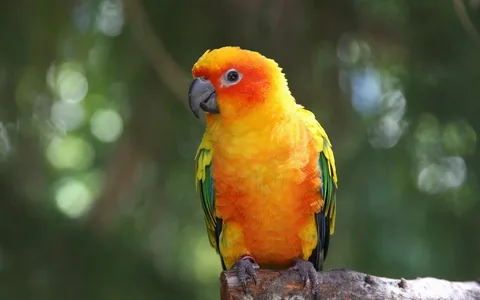
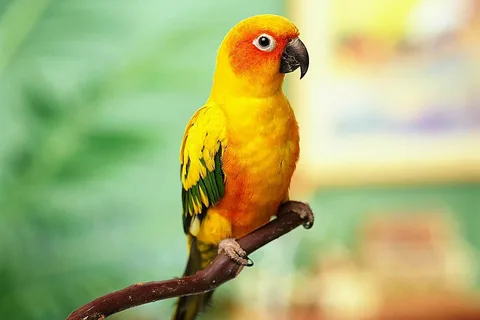
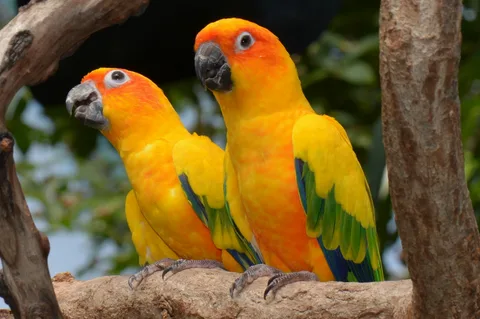
Conures are medium-sized parrots native to Central and South America. They are well-known for their vibrant plumage, lively personalities, and social nature. These birds are common pets since they are quite playful and love interacting with their human friends. Conures are extremely smart and inquisitive animals that frequently explore their environment and pick up new skills. They cling to their owners tightly and thrive on affection and attention. Their 20 to 30 year lifespan necessitates moderate care, which includes regular social interaction, a large cage, and a healthy diet. Conures are tolerant of a wide range of interior temperatures, since they thrive in conditions between 18°C to 27°C.
Characteristics
Affection
Not Friendly
Super Friendly
Vocalization
Silent
Vocal
Intelligence
Low
High
Social Behavior
Prefer Isolation
Very Social


Nutrition of Conure
Monthly Food Expenses
₹2,000 - ₹ 2,500
Ideal weight
60 - 100 grams
Essential Nutrients
Protein
Carbohydrates
Fats
Vitamins
Minerals
List of foods
Seeds
Yoghurt (Small amounts)
Legumes
Tofu
Whole grain breads
Grasses
Cooked eggs
Fish
Lean cooked meat
Conures require a balanced diet that includes a variety of seeds, nuts, fruits, vegetables, and high-quality pellets. Foods high in protein, such cooked eggs and lentils, are crucial for both growth and maintenance. The essential vitamins and minerals found in fresh fruits and vegetables promote general health. A varied food aids in providing for all nutritional requirements and guards against inadequacies, ensuring the bird has a long and healthy life.
Avoid these foods for Conure
Avoid anything with these ingredients
High-fat foods
Mushrooms
Uncooked beans
Onions
Garlic
Grit
Conures should avoid foods that are toxic or harmful to their health. Avocado, chocolate, and caffeine can cause severe health issues or death. Alcohol, onions, and garlic are also toxic and should be excluded from their diet. High-fat foods can lead to obesity and related health problems. Maintaining a diet free from these harmful substances is crucial for the well-being of Conures.


Health of Conure
Avg Monthly Expenses
₹1,000 - ₹1,500
Recognising Stress
Feather Cysts
Egg-binding
Nasal Discharge
Dry, Flaky Skin
Panting or Open-Mouth Breathing
Common Health Issues
Psittacosis
Respiratory Infections
Chlamydiosis
Infectious causes of feather loss
Psittacine Beak and Feather Disease (PBFD)
Polyomavirus
Other Herpesvirus Infections
Energy Level
High
Preventative measure
Annual Blood Work
Physical checkup every 6-12 months
Mental Stimulation
Environmental Enrichment
Medical care of Conure
Conures require regular medical care to maintain their health and well-being. Fecal checks, blood tests, and annual physical examinations are crucial for the early identification of health problems. It is easier to spot and treat anomalies when the beak, nails, and feathers are regularly examined. By offering environmental enrichment, behavioral issues and stress are avoided. Owners should monitor for signs of stress, such as feather plucking, tail bobbing, and changes in appetite, and seek veterinary care promptly. A balanced diet, clean habitat, and regular interaction are crucial for keeping Conures healthy.
Prerequisites to pet a Conure
time Commitment
Habitat of Conure
Initial Setup Cost
₹2,500 - ₹ 3,000
Monthly Expenses
₹1,000 - ₹ 1,500
Essential Equipment
Bird Cage
Cage Stand
Cage Cover
Perches
Newspaper
Shower Perch
Bird Bath
Compatible mates
cockatiel
Lovebird
Parrotlet
onures thrive in spacious cages that allow for movement and play. To encourage good foot health, the cage should have multiple perches, and different toys should be included to stimulate the mind. Food and water dishes should be cleaned daily and be easily accessible. Maintenance of the beak requires a mineral block. A cage cleaning brush is required for routine hygiene, and cage liner paper aids in keeping the cage clean. The habitat needs to be kept at a temperature between 18°C and 27°C and put in a well-lit, draft-free environment. They need to interact outside of the cage on a regular basis to maintain their social and emotional health.
Compare with similar breeds
Frequently Asked Questions
How much space does a Conure need?
Conures need a spacious cage that allows them to move freely and spread their wings. A cage that is at least 24 inches wide, 24 inches deep, and 30 inches high is recommended, with multiple perches and toys for enrichment.
What are common health issues in Conures?
Common health issues include Psittacosis, respiratory infections, fatty liver disease, feather plucking, Psittacine Beak and Feather Disease (PBFD), Aspergillosis, and egg binding. Regular vet checkups and a balanced diet can help prevent these problems.