Home
/
Bird species
/
Hahn’s Macaw
Hahn’s Macaw
Origin
South Africa
South Georgia
South Korea
South America
South East Asia
Size
Small Breed
Ideal Weather
20º-30ºC
Avg Monthly Expenses
₹2,500
Basic Lifestyle
₹3,500
Premium Lifestyle
Top 5 Traits
Playful
Shy
Talkative
Affectionate
Curious

by Jenny Sharma.Reviewed by Abhijeet Adhalikar.Updated on 26 Feb 2025
Information of Hahn’s Macaw
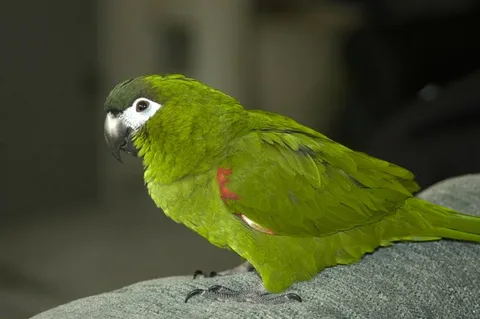
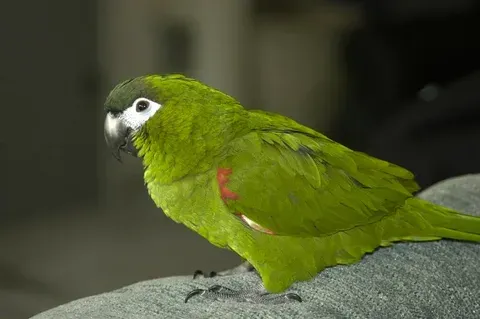
Hahn’s Macaws, also known as Mini Macaws, are the smallest members of the macaw family. Originating from the tropical regions of South America, these birds are renowned for their vibrant green plumage and striking facial markings. Despite their small size, Hahn’s Macaws exhibit the playful and energetic demeanor typical of larger macaws. They are highly intelligent and social, forming strong bonds with their owners. These birds are known for their friendly nature and enjoy engaging in interactive play and learning tricks. With a lifespan of 25 to 30 years, Hahn’s Macaws require moderate maintenance and thrive in temperatures between 20°C and 30°C. Their affectionate and curious personalities make them delightful companions for bird enthusiasts.
Characteristics
Affection
Not Friendly
Super Friendly
Vocalization
Silent
Vocal
Intelligence
Low
High
Social Behavior
Prefer Isolation
Very Social


Nutrition of Hahn’s Macaw
Monthly Food Expenses
₹1,500 - ₹ 2,000
Ideal weight
130 - 165 grams
Essential Nutrients
Protein
Carbohydrates
Fats
Vitamins
Minerals
List of foods
Seeds
Nuts
Fruits
Vegetables
Legumes
Tofu
Lean cooked meat
Leafy Greens
A balanced diet for Hahn’s Macaws includes a variety of seeds, nuts, fruits, and vegetables, supplemented with high-quality pellets. Protein-rich foods like legumes are vital for their growth and maintenance. Whole grain breads can be offered occasionally as treats. Fresh fruits and vegetables provide essential vitamins and minerals, promoting overall health. It’s important to ensure a varied diet to meet all their nutritional needs and prevent deficiencies.
Never feed these foods to Hahn’s Macaw
Avoid anything with these ingredients
Aubergine
Nutmeg
Chocolate
Uncooked beans
Onions
Hahn’s Macaws should avoid certain foods that can be toxic or harmful to their health. Avocado, chocolate, and caffeine are particularly dangerous, potentially leading to severe health issues or death. Alcohol, onions, and garlic should also be excluded from their diet, as they can cause toxicity. High-fat foods can lead to obesity and related health problems. Maintaining a diet free from these harmful substances is crucial for the well-being of Hahn’s Macaws.


Nutrition of Hahn’s Macaw
Avg Monthly Expenses
₹1,000 - ₹1,500
Recognising Stress
Feather Plucking
Tail Bobbing
Repetitive Movements
Aggression
Decreased Social Interaction
Common Health Issues
Feather cysts
Chlamydiosis
Psittacine Beak and Feather Disease (PBFD)
Infectious causes of feather loss
Psittacosis
Poisoning from fumes and aerosols
Other Herpesvirus Infections
Energy Level
High
Preventative measure
Physical checkup every 6-12 months
Feather Assessment
Use Cage Covers
Medical Care
Maintaining the health of a Hahn’s Macaw involves regular veterinary checkups and preventive care. Annual blood work and fecal exams are essential for early detection of potential health issues. Regular assessments of their beak, nails, and feathers help in identifying and addressing any abnormalities. Environmental enrichment plays a crucial role in preventing stress and behavioral problems. Owners should be vigilant for signs of stress such as feather plucking, tail bobbing, and changes in appetite, and seek veterinary advice promptly. A balanced diet, clean habitat, and regular interaction are key to keeping a Hahn’s Macaw healthy.
Prerequisites to pet a Hahn’s Macaw
Time Commitment
habitat info of Hahn’s Macaw
Initial Setup Cost
₹2,000 - ₹ 2,500
Monthly Expenses
₹1,000 - ₹ 1,500
Essential Equipment
Cage Stand
Cage Cover
Bird Cage
Toys and Enrichment
Cage Liner Paper
Compatible mates
Concure
Cockatiel
Parrotlet
Hahn’s Macaws thrive in a spacious cage that allows them to move and play freely. The cage should be equipped with multiple perches to promote foot health and various toys to keep them mentally stimulated. Food and water dishes should be easily accessible and cleaned regularly. A mineral block is essential for beak maintenance. Cage liner paper aids in cleanliness, and a cage cleaning brush helps maintain a hygienic environment. The habitat should be placed in a well-lit area, free from drafts, with temperatures between 20°C and 30°C. Regular interaction and playtime outside the cage are crucial for their well-being.
Written by
Jenny Sharmaveterinarian
Jenny is a passionate pet enthusiast and experienced writer specializing in animal behavior and care,Jenny is a passionate pet enthusiast and experi
Frequently Asked Questions
How often should a Hahn’s Macaw's cage be cleaned?
The cage should be cleaned weekly, with food and water dishes cleaned daily.
Can Hahn’s Macaws talk?
Yes, Hahn’s Macaws are capable of mimicking words and sounds, although their vocabulary may not be as extensive as larger macaws.
Do Hahn’s Macaws need companionship?
They are social birds and thrive with regular interaction, either with humans or other birds.