Home
/
Cat Breeds
/
Abyssinian
Abyssinian
Origin
Ethiopia
Size
Medium Breed
Ideal Space
Apartment
Ideal Weather
18º-30ºC
Life Expectancy
12-15 years
Cost of buying
₹ 15,000 - ₹ 50,000
Top 5 Traits
Playful
Curious
Friendly
Independent
Affectionate
Avg Monthly Expenses
₹ 2,200 - ₹ 4,000
Quick Information
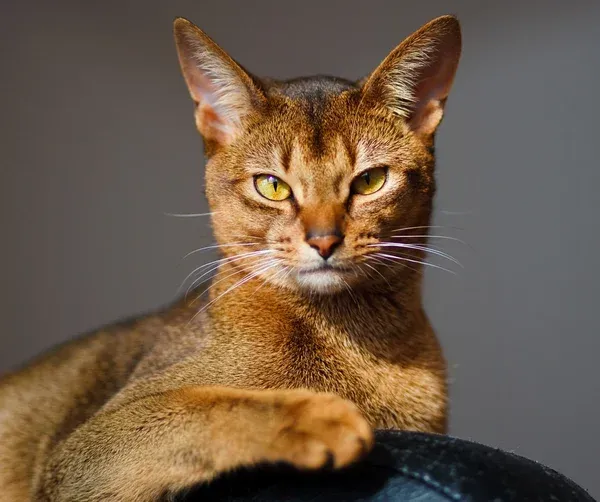
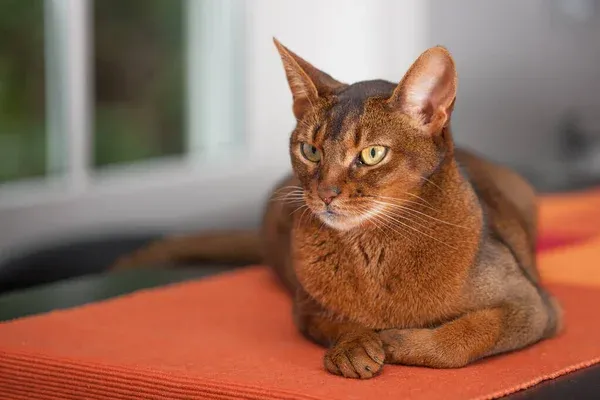
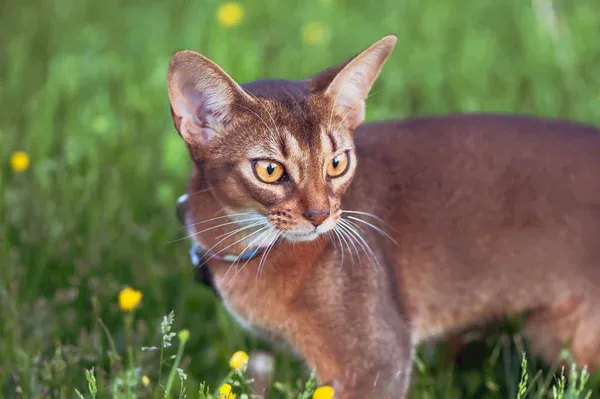
Abyssinians are one of the oldest known domesticated cat breeds, believed to have originated from ancient Egypt. Their unusual ticking coat gives them a wild look. They are independent and capable of entertaining themselves when necessary, despite their sociable and energetic nature. Abyssinians form strong bonds with their families and are known for their affectionate and friendly nature. They are extremely smart cats and may be trained to perform tricks.
Characteristics
Temperament with Kids
Aggressive
Friendly
Playfulness
Silent
Very Playful
Friendliness
Not Friendly
Super Friendly
Shedding amount
Negligible
Frequent
Compatibility with other cats
Not Friendly
Super Friendly
Prey Drive
Low
High
Need for attention
Independent
Very Needy
Monthly Expenses


Adopt or Shop: The choice is yours!
Cost of buying
₹ 15,000 - ₹ 50,000
Buying or adopting are the two main possibilities if you're thinking about getting a Abyssinian cat for your house.
Buying: Selecting a reliable breeder is crucial when purchasing a Abyssinian cat. Make sure the breeder gives the cats the care they need and adheres to moral breeding procedures.
To confirm the cat's health and pedigree, request health certificates and lineage documentation.
The cost of buying a Abyssinian cat depends on a number of variables including ancestry, potential for show quality, and breeder reputation.
Adopting: Offering a needy cat a loving home through adoption is a fantastic choice. See if any breed-specific rescues, local animal shelters, or rescue organizations have Abyssinian Cat up for adoption.
Vaccinations, spaying/neutering, and initial medical care are usually included in adoption fees. These charges differ, but they are typically less than what it would cost to purchase from a breeder.
Now that you know what it takes to raise a Abyssinian, are you ready to take the next step to pet one?
Research: Learn about Abyssinian cats and the kind of care they need, and make sure you're ready for the responsibilities that comes with owning a pet.
Find Reliable Sources (for adaption): To find out about available Abyssinian Cat, get in touch with your neighborhood animal shelter, rescue organizations, or breed-specific rescues. (For Purchasing): If you decide to purchase, look into respectable breeders who adhere to moral standards.
Visit and Engage: Try to pay a visit to the location where the cat is kept. To determine compatibility and make sure the cat is a suitable fit for your home, spend some time getting to know it.
Cat Proofing: Ensure your house is safe for a new cat. Eliminate any possible risks and lock windows and balconies.
Supplies: Get the things you'll need, such as as bowls, toys, scratching posts, cat food, litter boxes, and grooming brushes.
Designated Space: Establish a location where your new cat can progressively explore as they get used to their new surroundings.
Introductions: To guarantee a seamless transfer, introduce your other pets, if you have any, to the new cat gradually and under supervision.
Love and Patience: Allow your new cat some time to become used to its surroundings and show it lots of care.
Nutrition
Monthly Food Expenses
₹ 1,200 - ₹ 2,000
Calories per day
Kittens: 300 kcal
Adults: 350 kcal
Essential Nutrients
Protein
Fats
Carbohydrates
Vitamins
Minerals
Amino Acids (Taurine, Arginine, etc.)
Essential Fatty Acids
Fiber
List of foods
Dry kibble
Chicken (cooked or raw)
Lamb
Salmon
Sardines (in moderation)
Sweet potatoes (cooked)
For the Abyssinian cat to maintain its energetic and lively personality, it needs a balanced diet high in protein and vital nutrients. A balanced nutritional profile can be achieved by feeding both wet canned food and premium dry kibble. Fish and lean meats like turkey, chicken, and turkey are great sources of protein. Additionally, incorporating cooked eggs, and various suitable fruits and vegetables can add diversity to their diet. It's crucial to confirm that any human food provided is safe for cats as well as ensuring they get the required supplements, such as cat-specific multivitamins and Omega-3 fatty acids.
Breakdown of Macro-nutrients
Selecting Good Quality Food
For Abyssinian cats, some specific things in a high-quality cat food to consider are:
High protein content: Since Abyssinian cats are energetic, a diet high in protein is necessary. Seek for a cat food with a minimum of 30% protein content.
High-quality ingredients: Real meat and fish are examples of high-quality ingredients. Steer clear of cat meals that have fillers, artificial additives, and by-products.
Suitable for age: Select a cat food that is meant especially for your cat's age group. The dietary demands of adults, seniors, and kittens vary.
Never feed these foods to Abyssinian
Avoid anything with these ingredients
Onions and Garlic
Caffeine
Bones
Raw Eggs
Grapes and Raisins
Xylitol
Artificial Sweeteners
It's crucial to keep your Abyssinian cat away from foods that are overly spiced or seasoned, as well as any foods that might include additives or preservatives. If you're not sure whether a specific food item is appropriate for your cat, you should always seek advice from a veterinarian.


Health
Avg Monthly Expenses
₹ 500 - ₹ 1,000
Common Health Issues
Dental Problems
Obesity
Diabetes
Kidney Disease
Hyperthyroidism
Fleas and Ticks
Hairballs
Upper Respiratory Infections
Activities
Play with Toys
Chasing Objects
Exploring
Climbing
Scratching
Energy Level
Medium
Exercise routine
- - - -
Recognising Stress
Hiding
Increased vocalization
Decreased appetite
Overgrooming
Changes in litter box behavior
Medical Care
Although Abyssinian cats are generally strong and healthy, they can be susceptible to certain illnesses just like any other cat breed. For Abyssinians, maintaining good dental hygiene is especially crucial to avoiding dental issues. It is essential to have routine examinations in order to identify and treat any underlying medical conditions, particularly those related to thyroid and renal function. It is advisable to regularly groom and take preventative steps because fleas, ticks, and hairballs are common concerns. Upper respiratory infections can happen, particularly in homes with multiple cats or those where there is access to the outdoors.
Vaccination details
Growth Stage
Core Vaccines
8 Weeks
Feline Herpesvirus, Calicivirus, Panleukopenia
12 Weeks
Feline Herpesvirus, Calicivirus, Panleukopenia
16 Weeks
Rabies
1 Year
Feline Herpesvirus, Calicivirus, Panleukopenia, Rabies
2 Years
Booster shots for core vaccinations as recommended by the vet
Grooming
Avg Monthly Expenses
₹ 500 - ₹ 1,000
Shedding Level
Low Shedding
Hygienic Checklist
Litter Box
Nail Trimming
Fur trimming
Ear cleaning
Teeth care
Eye care
Benefits of Grooming
Cleanliness
Low Shedding
Odourless
Prevents Bad Breath
Prevents infections
Abyssinian cats require less grooming because of their short, thick coat. They require less upkeep because of their for low shedding, Although Abyssinian cats often take care of themselves, brushing them once in a while can aid them with matting prevention and removal of loose hair. They seldom need to bathe because their coats are inherently clean. To maintain their general health, regular dental treatment, eye care, and ear cleaning are advised.


Compare with similar breeds
Frequently Asked Questions
How long does the average Abyssinian cat live?
The typical lifespan of an Abyssinian cat is between 12 and 15 years.
What is the size of a cat from Abyssinian?
Abyssinians are a small to medium-sized breed.
How active are Abyssinian cats?
Abyssinians are known for having a lot of energy. They like interactive activities and are lively and inquisitive.