Home
/
Cat Breeds
/
Birman Cat
Birman Cat
Origin
Myanmar
Size
Medium Breed
Ideal Space
Independent House
Ideal Weather
15º-25ºC
Life Expectancy
12-16 years
Cost of buying
₹ 20,000 - ₹ 50,000
Top 5 Traits
Playful
Curious
Friendly
Affectionate
Gentle
Avg Monthly Expenses
₹ 2,200 - ₹ 4,000

Quick Information
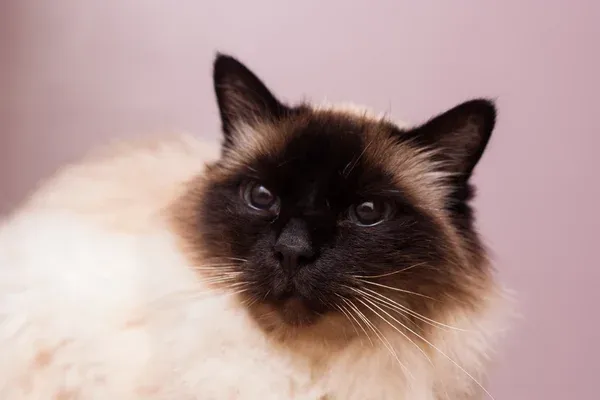
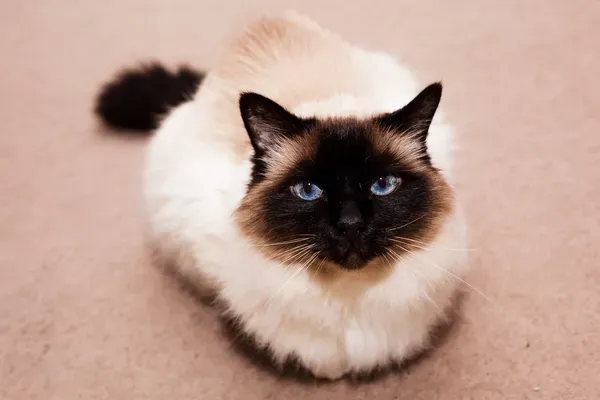
Birman cats, also known as the "Sacred Cats of Burma". Their medium to large stature, robust physique, and silky coat which comes in a variety of color points are what define them. Birmans are quite sociable and have a lovely, friendly temperament. They are known to develop close relationships with their owners and to thrive on human company. These intelligent and lively cats frequently play interactively with their owners. They're not overly vocal but may occasionally chime in with a soft, melodic voice. Birmans are good for households with kids and other pets because they are typically gentle and affectionate. They are adaptable and can adapt to a variety of living situations, though they do like having vertical areas like shelves or cat trees.
Characteristics
Temperament with Kids
Aggressive
Friendly
Playfulness
Silent
Very Playful
Friendliness
Not Friendly
Super Friendly
Shedding amount
Negligible
Frequent
Compatibility with other cats
Not Friendly
Super Friendly
Prey Drive
Low
High
Need for attention
Independent
Very Needy
Monthly Expenses


Adopt or Shop: The choice is yours!
Cost of buying
₹ 20,000 - ₹ 50,000
Buying or adopting are the two main possibilities if you're thinking about getting a Birman cat for your house.
Buying: Selecting a reliable breeder is crucial when purchasing a Birman cat. Make sure the breeder gives the cats the care they need and adheres to moral breeding procedures.
To confirm the cat's health and pedigree, request health certificates and lineage documentation.
The cost of buying a Birman cat depends on a number of variables including ancestry, potential for show quality, and breeder reputation.
Adopting: Offering a needy cat a loving home through adoption is a fantastic choice. See if any breed-specific rescues, local animal shelters, or rescue organizations have Birman Cat up for adoption.
Vaccinations, spaying/neutering, and initial medical care are usually included in adoption fees. These charges differ, but they are typically less than what it would cost to purchase from a breeder.
Now that you know what it takes to raise a Birman Cat, are you ready to take the next step to pet one?
Research: Learn about Birman cats and the kind of care they need, and make sure you're ready for the responsibilities that comes with owning a pet.
Find Reliable Sources (for adaption): To find out about available Birman Cat, get in touch with your neighborhood animal shelter, rescue organizations, or breed-specific rescues. (For Purchasing): If you decide to purchase, look into respectable breeders who adhere to moral standards.
Visit and Engage: Try to pay a visit to the location where the cat is kept. To determine compatibility and make sure the cat is a suitable fit for your home, spend some time getting to know it.
Cat Proofing: Ensure your house is safe for a new cat. Eliminate any possible risks and lock windows and balconies.
Supplies: Get the things you'll need, such as as bowls, toys, scratching posts, cat food, litter boxes, and grooming brushes.
Designated Space: Establish a location where your new cat can progressively explore as they get used to their new surroundings.
Introductions: To guarantee a seamless transfer, introduce your other pets, if you have any, to the new cat gradually and under supervision.
Love and Patience: Allow your new cat some time to become used to its surroundings and show it lots of care.
Nutrition
Monthly Food Expenses
₹ 1,200 - ₹ 2,000
Calories per day
Kittens: 250 kcal
Adults: 200 kcal
Essential Nutrients
Protein
Fats
Carbohydrates
Vitamins
Minerals
Amino Acids (Taurine, Arginine, etc.)
Essential Fatty Acids
Fiber
List of foods
Dry kibble
Wet canned food
Chicken (cooked or raw)
Lamb
Carrots (cooked)
Sardines (in moderation)
Mackerel
A balanced commercial cat food that is specially formulated to fulfill feline nutritional needs should be fed to a Birman cat for optimal nutrition. To be sure it offers a comprehensive and balanced diet, always read the label. Furthermore, it's critical to pay attention to portion sizes in order to avoid overfeeding, which can result in obesity. Maintaining the physical well-being of your Birman cat also requires regular exercise.
Breakdown of Macro-nutrients
Selecting Good Quality Food
High Level of Protein: High-quality cat food for Birmans should ideally come from animal-based products such as fish, poultry, chicken, and lean meats. Protein is necessary for general growth, tissue healing, and the development of muscles.
A balanced profile of fat: A balanced amount of good fats, including important fatty acids like omega-3 and omega-6, should be present in the diet. These support glowing coats, good skin, and general wellbeing.
Restricted Grains and Fillers: Although certain carbohydrates are okay, a good Birman cat diet shouldn't be overly dependent on additives and grains. For energy and fiber, choose complex carbohydrates found in veggies, brown rice, and oats.
Sufficient Level of Taurine: Taurine is a vital amino acid that cats need for heart health and vision. Sufficient amounts of taurine should be present in high-quality cat food for Birmans.
Nutrient-Rich Ingredients: Seek out high-quality cat food that has a range of nutrients, including antioxidants, vitamins, and minerals. These aid in immune system support, general health, and the avoidance of dietary deficits.
No harmful colors, tastes, or preservatives: High-quality cat food should not contain harmful additives, artificial colors, flavors, or preservatives. For optimal nourishment for your Birman, use natural, whole-food ingredients.
Never feed these foods to Birman Cat
Avoid anything with these ingredients
Onions and Garlic
High Salt Foods
High-Fat Foods
Chocolate
Caffeine
Bones
Raw Eggs
Grapes and Raisins
Avoid foods that are high in sugar, carbohydrates, and salt, as well as foods that are toxic to cats, such as onions, garlic, chocolate, grapes, raisins, xylitol, and moldy or spoiled food. Do not feed your cat, dog or human food that is not safe. If you are unsure whether or not a particular food is safe for your Birman cat, it is always best to consult with your veterinarian. Some of the best quality foods available for Birman cats in India: Royal Canin, Whiskas, and Sheba Cat Foods


Health
Avg Monthly Expenses
₹ 500 - ₹ 1,000
Common Health Issues
Dental Problems
Obesity
Kidney Disease
Hyperthyroidism
Feline Immunodeficiency Virus (FIV)
Feline Leukemia Virus (FeLV)
Skin Allergies
Eye Problems
Activities
Play with Toys
Exploring
Climbing
Scratching
Social Interaction
Energy Level
Medium
Exercise routine
30 - 39 minutes
Recognising Stress
Hiding
Increased vocalization
Decreased appetite
Overgrooming
Changes in litter box behavior
Medical Care
There are no known breed-specific illnesses or other health issues affecting Birman cats, which makes them a very healthy breed. Nevertheless, any cat, regardless of age, has the potential to get sick, get hurt, or have a health issue. For a thorough physical examination to make sure your Birman cat is healthy and to spot any emerging health issues, take your cat to the vet at least once a year. Furthermore, regular exercise and a balanced diet are crucial.
Vaccination details
Growth Stage
Core Vaccines
6-8 Weeks
FVRCP
12 Weeks
FVRCP
16 Weeks
FVRCP
20 Weeks
Rabies
Anually
FVRCP, Rabies
Grooming
Avg Monthly Expenses
₹ 500 - ₹ 1,000
Shedding Level
Low Shedding
Hygienic Checklist
Litter Box
Grooming (for some breeds)
Nail Trimming
Ear cleaning
Teeth care
Benefits of Grooming
Cleanliness
Low Shedding
Odourless
Prevents Bad Breath
Prevents infections
Unlike other long-haired breeds, Birmans don't have a dense undercoat, which reduces the likelihood of mating or tangling in their coat. A few times a week of basic brushing or combing is really all a Birman needs to stay in excellent condition. Like any other cat, a Birman needs her nails trimmed, her litter box cleaned, and her teeth brushed.


Compare with similar breeds

Frequently Asked Questions
How big do Birman cats get?
The size of Birman cats is medium. Typically, a male weighs between 5 to 6 kgs, and a female between weighs 3 to 5 kgs.
Are Birman cats active?
Birmans have a moderate energy level. They enjoy exploring their environment and engaging in interactive play, but they also like relaxing and spending time with their owners.
How often should Birman cats be groomed?
Moderate grooming is needed for Birman cats. To disperse skin oils and get rid of loose hair, they should be combed once a week. To prevent infection, Birman cats' ears should also be cleaned on a regular basis.