Home
/
Cat Breeds
/
Burmese Cat
Burmese Cat
Origin
Myanmar
Size
Medium Breed
Ideal Space
Apartment
Ideal Weather
20º-25ºC
Life Expectancy
12-16 years
Cost of buying
₹ 20,000 - ₹ 50,000
Top 5 Traits
Playful
Friendly
Curious
Energetic
Affectionate
Avg Monthly Expenses
₹ 2,500 - ₹ 4,300
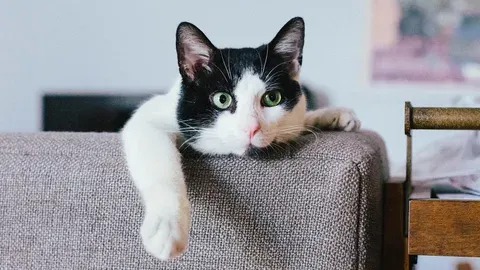

by Amit Kumar.Reviewed by Abhijeet Adhalikar.Updated on 4 Apr 2025
Burmese Cat Info
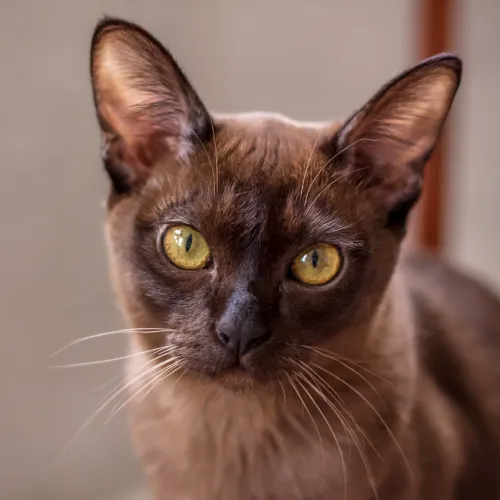
The charming breed of Burmese cats is adored for its lively and social nature. They are renowned for being energetic and inquisitive animals who love to play interactive games and discover new things. These cats are very social and form strong bonds with the families they live with, giving them love and company.
Their short, silky coats, which require minimal care, go well with their medium, powerful frames.Their exceptional kid-friendliness makes them a wonderful complement to family homes. They are a fantastic choice for multi-pet households because they are sociable and get along with other cats. However, they might pursue smaller creatures due to their intense hunting drive.
Characteristics
Temperament with Kids
Aggressive
Friendly
Playfulness
Silent
Very Playful
Friendliness
Not Friendly
Super Friendly
Shedding amount
Negligible
Frequent
Compatibility with other cats
Not Friendly
Super Friendly
Prey Drive
Low
High
Need for attention
Independent
Very Needy
Monthly Expenses


Burmese Cat Adopt Info
Cost of buying
₹ 20,000 - ₹ 50,000
Buying or adopting a Burmese cat are the two main possibilities if you're thinking about getting one for your house.
Buying a Burmese cat:Selecting a reliable breeder is crucial when purchasing a Burmese cat. Make sure the breeder gives the cats the care they need and adheres to moral breeding procedures.To confirm the cat's health and pedigree, request health certificates and lineage documentation.A Burmese cat can cost anywhere between 20,000 and 50,000 INR to purchase, depending on a number of variables, including ancestry, potential for show quality, and breeder reputation.
Adopting a Burmese cat:Offering a needy cat a loving home through adoption is a fantastic choice. See if any breed-specific rescues, local animal shelters, or rescue organizations have Burmese cats up for adoption.Vaccinations, spaying or neutering, and initial medical care are usually included in adoption fees. These charges differ, but they are typically less than what it would cost to purchase from a breeder.
Now that you know what it takes to raise a Burmese Cat, are you ready to take the next step to pet one?
- Research: Learn about Burmese cats and the kind of care they need, and make sure you're ready for the responsibilities that come with owning a pet.
- Find reliable sources: To find out about available Burmese cats for adoption, get in touch with your neighborhood animal shelter, rescue organizations, or breed-specific rescues.If you decide to purchase, look into respectable breeders who adhere to moral standards.
- Visit and Engage: Try to pay a visit to the location where the cat is kept. To determine compatibility and make sure the cat is a suitable fit for your home, spend some time getting to know it.
- Catproofing: Make sure your house is safe for a new cat. Eliminate any possible risks, and lock windows and balconies.
- Supplies: Get the things you'll need, such as bowls, toys, scratching posts, cat food, litter boxes, and grooming brushes.
- Designated Space: Establish a location where your new cat can progressively explore as they get used to their new surroundings.
- Introductions: To guarantee a seamless transfer, introduce your other pets to the new cat gradually and under supervision if you have any.
- Love and Patience: Allow your new Burmese cat some time to become used to its surroundings and show it lots of care.
Burmese Cat Nutrition Info
Monthly Food Expenses
₹ 1,000 - ₹ 1,600
Calories per day
Kittens: 400 kcal
Adults: 300 kcal
Essential Nutrients
Protein
Fats
Carbohydrates
Vitamins
Minerals
Amino Acids (Taurine, Arginine, etc.)
Essential Fatty Acids
Fiber
List of foods
Cottage cheese
Eggs (cooked)
Tuna
Salmon
Lamb
Chicken (cooked or raw)
Turkey
Wet canned food
Dry kibble
A balanced diet including high-quality protein, important fatty acids, and the right vitamins and minerals is necessary for Burmese cats. As they age, their dietary requirements change. Adult cats require a balanced diet to maintain their health, whereas kittens require extra calories and protein for growth. Ideal cat food includes moist canned food and premium dry kibble. They should always have access to clean water. Offer them fatty fish, such as mackerel, salmon, or tuna, on occasion, as well as lean meats like chicken and turkey. You can provide protein items like eggs and cottage cheese. You can also provide a tiny amount of cooked veggies or fiber from sources that are specifically for cats. For advice on providing quantities and diet suggestions, speak with your veterinarian.
Breakdown of Macro-nutrients
Selecting Good Quality Food
Many premium and super-premium cat food brands offer products made especially for Burmese cats. To suit the unique dietary requirements of your Burmese cat, look for brands that place an emphasis on high protein content and high-quality ingredients.Indian Burmese cats can consume Royal Canin, Whiskas, and Hills Science Diet, among other brands. These companies provide a selection of cat food items that are specially formulated to satisfy your Burmese cat's dietary requirements.
Never feed these foods to Burmese Cat
Avoid anything with these ingredients
Onions and Garlic
Raw Eggs
Bones
Caffeine
Chocolate
High Salt Foods
High-Fat Foods
Moldy or Spoiled Food
Artificial Sweeteners
It's crucial to stay away from some elements that could be harmful to your cat. Garlic and onions contain poisonous substances that can harm red blood cells and cause anemia. Caffeine and chocolate are stimulants that may have adverse effects on the heart and nervous system.Particularly cooked bones have the potential to splinter and cause choking or internal damage. Salmonella illness can occur from eating raw eggs, and lactose intolerance can cause stomach problems when dairy products are consumed. You can protect the health and vitality of your Burmese cat by avoiding these dangerous components.


Burmese Cat Health Info
Avg Monthly Expenses
₹ 1,000 - ₹ 1,700
Common Health Issues
Dental Problems
Obesity
Lymphoma
Feline Infectious Peritonitis (FIP)
Hyperthyroidism
Upper Respiratory Infections
Kidney Disease
Diabetes
Activities
Napping
Grooming
Play with Toys
Exploring
Social Interaction
Energy Level
Medium
Exercise routine
50 - 100 minutes
Recognising Stress
Hiding
Increased vocalization
Decreased appetite
Overgrooming
Changes in litter box behavior
Restlessness
Medical Care
Burmese cats are often strong, healthy, and good pet cats, but like all breeds, they are particularly prone to some health issues compared to others, so they need to be monitored. Burmese cats are prone to dental issues, so it's important to maintain proper oral hygiene. This includes frequent brushing and veterinary exams. An additional issue is obesity, so it's critical to maintain a healthy weight with a balanced diet and exercise. Because of the possibility of developing diabetes, blood sugar levels must be closely monitored. Regular veterinary checks are necessary for the early detection and treatment of other health issues like hyperthyroidism and kidney disease. Additionally, Burmese cats are prone to upper respiratory infections, so it's important to keep vaccines current and stay away from cats that are ill.With the right care and attention, your Burmese cat can live a long and healthy life despite these health concerns.
Vaccination details
Growth Stage
Core Vaccines
6-8 weeks
Feline Calicivirus (FCV)
10-12 weeks
Feline Herpesvirus (FHV)
14-16 weeks
Feline Panleukopenia (FPV)
20-22 weeks
Rabies (if required)
Burmese Cat Grooming Info
Avg Monthly Expenses
₹ 500 - ₹ 1,000
Shedding Level
Low Shedding
Hygienic Checklist
Bathing
Ear cleaning
Teeth care
Eye care
Nail Trimming
Play and Exercise
Health Observation
Benefits of Grooming
Cleanliness
Low Shedding
Odourless
Prevents Bad Breath
Prevents infections
Burmese cats require minimal care to keep their glossy, short-haired coats, making them a low-maintenance breed in terms of grooming. The only maintenance required to keep their coat healthy and shiny is a weekly brushing with a soft-bristled brush to remove stray hair and distribute skin oils.Weekly ear cleaning is recommended to check for dirt or debris, and regular nail trimming is necessary to keep them from harming themselves or furniture. Regular tooth brushing with pet-safe toothpaste is recommended for dental hygiene purposes. Burmese cats are skilled at self-grooming, so bathing them is rarely essential. However, if they get dirty or have a skin ailment, you might need to give them a wash every now and again. You can make sure your Burmese cat is clean, healthy, and attractive by implementing some basic grooming techniques.


Written by
Amit Kumarveterinarian
Amit kumar is a pet startup writer and Dedicated blog author with a flair for crafting engaging content that informs, inspires, and entertains readers
Compare with similar breeds
Frequently Asked Questions of Burmese Cat
What typical characteristics do Burmese cats exhibit?
A Burmese cat in healthy condition will have a shiny coat, bright eyes, be lively and lovable, have a good appetite, and routinely utilize the litter box. It is crucial to have regular veterinary checkups to make sure they are healthy.
Are there any distinct behavioral characteristics of Burmese cats that I should be aware of?
Burmese cats are renowned for their need for interaction and attention from their owners. They could follow you around the house and take pleasure in taking part in family events.
Are Burmese cats happier as indoor pets, or do they prefer the outdoors?
Due to their friendliness and potential risks outside, Burmese cats are typically best served as indoor pets. In a supervised setting, like a safe catio, you can offer outside activities.