Home
/
Cat Breeds
/
Tonkinese Cat
Tonkinese Cat
Origin
USA
Size
Medium Breed
Ideal Space
Independent House
Ideal Weather
20º-30ºC
Life Expectancy
12-16 years
Cost of buying
₹ 25,000 - ₹ 45,000
Top 5 Traits
Playful
Curious
Friendly
Affectionate
Active
Avg Monthly Expenses
₹ 2,200 - ₹ 4,000
Quick Information
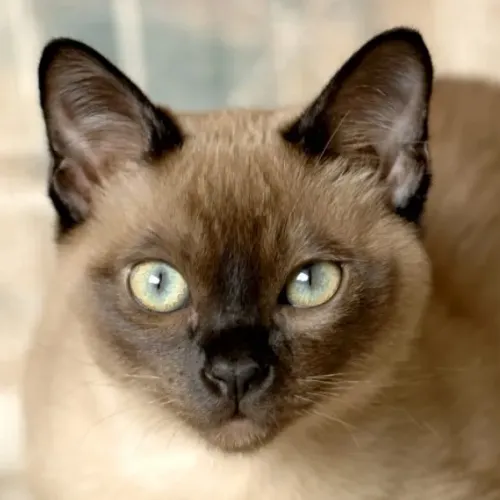
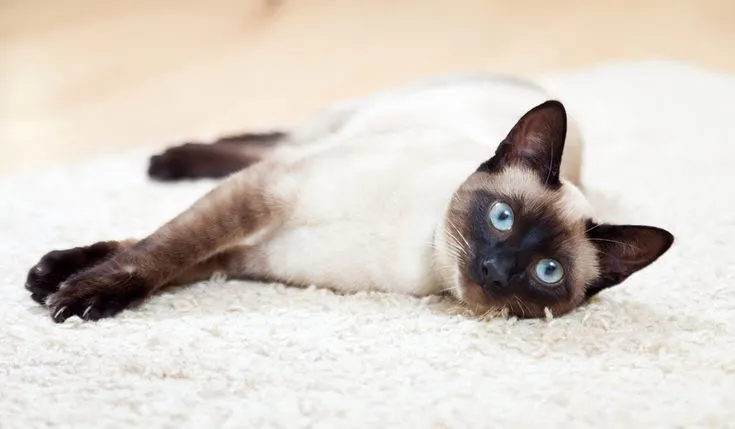
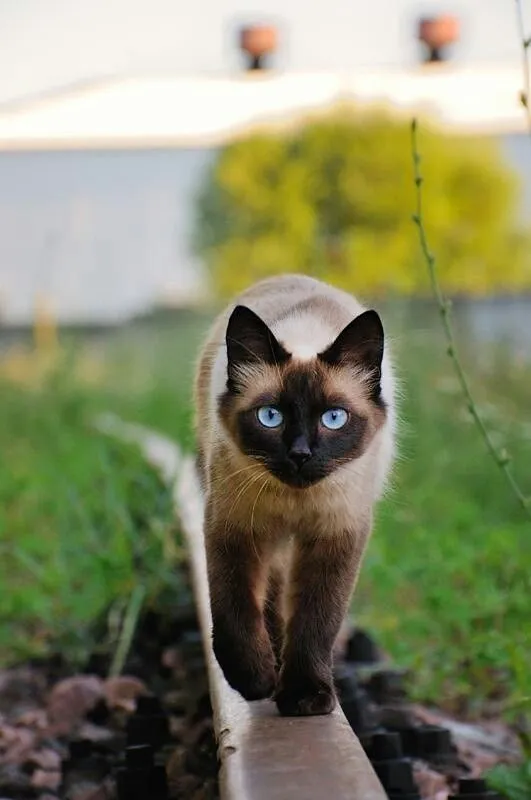
The Siamese and Burmese cats were crossed to create the hybrid breed known as the Tonkinese cat in the 1960s. With traits of both Siamese playfulness and friendliness and Burmese gentleness and loveliness, Tonkinese cats are the finest of both worlds. They are extremely clever and have the ability to learn new skills. They develop strong bonds with their human companions and may express their demands vocally. These cats thrive well indoors and value having areas to play to to satisfy their energetic nature. Tonkinese cats have a sociable disposition, which allows them to get along with kids and other pets while also displaying their adaptable and friendly nature.
Characteristics
Temperament with Kids
Aggressive
Friendly
Playfulness
Silent
Very Playful
Friendliness
Not Friendly
Super Friendly
Shedding amount
Negligible
Frequent
Compatibility with other cats
Not Friendly
Super Friendly
Prey Drive
Low
High
Need for attention
Independent
Very Needy
Monthly Expenses


Adopt / Shop of Tonkinese Cat
Cost of buying
₹ 25,000 - ₹ 45,000
Buying or adopting are the two main possibilities if you're thinking about getting a Tonkinese cat for your house.
Buying: Selecting a reliable breeder is crucial when purchasing a Tonkinese cat. Make sure the breeder gives the cats the care they need and adheres to moral breeding procedures.
To confirm the cat's health and pedigree, request health certificates and lineage documentation.
The cost of buying a Tonkinese cat depends on a number of variables including ancestry, potential for show quality, and breeder reputation.
Adopting: Offering a needy cat a loving home through adoption is a fantastic choice. See if any breed-specific rescues, local animal shelters, or rescue organizations have Tonkinese Cat up for adoption.
Vaccinations, spaying/neutering, and initial medical care are usually included in adoption fees. These charges differ, but they are typically less than what it would cost to purchase from a breeder.
Now that you know what it takes to raise a Tonkinese Cat, are you ready to take the next step to pet one?
Research: Learn about Tonkinese cats and the kind of care they need, and make sure you're ready for the responsibilities that comes with owning a pet.
Find Reliable Sources (for adaption): To find out about available Tonkinese Cat, get in touch with your neighborhood animal shelter, rescue organizations, or breed-specific rescues. (For Purchasing): If you decide to purchase, look into respectable breeders who adhere to moral standards.
Visit and Engage: Try to pay a visit to the location where the cat is kept. To determine compatibility and make sure the cat is a suitable fit for your home, spend some time getting to know it.
Cat Proofing: Ensure your house is safe for a new cat. Eliminate any possible risks and lock windows and balconies.
Supplies: Get the things you'll need, such as as bowls, toys, scratching posts, cat food, litter boxes, and grooming brushes.
Designated Space: Establish a location where your new cat can progressively explore as they get used to their new surroundings.
Introductions: To guarantee a seamless transfer, introduce your other pets, if you have any, to the new cat gradually and under supervision.
Love and Patience: Allow your new cat some time to become used to its surroundings and show it lots of care.
Nutrition
Monthly Food Expenses
₹ 1,200 - ₹ 2,000
Calories per day
Kittens: 300 kcal
Adults: 250 kcal
Essential Nutrients
Protein
Fats
Carbohydrates
Vitamins
Minerals
Amino Acids (Taurine, Arginine, etc.)
Essential Fatty Acids
Fiber
List of foods
Dry kibble
Wet canned food
Chicken (cooked or raw)
Lamb
Salmon
Mackerel
Eggs (cooked)
Make sure your Tonkinese Cat eats a well-balanced, high-protein food because they need a lot of it to maintain their playful and energetic lifestyle. Select premium cat food brands that come in a variety of wet and dry forms. Add lean meats, such as turkey and chicken, and fish to your cat's diet to get those important Omega-3 fatty acids. Offer a range of suitable fruits and vegetables, but don't forget to remove the seeds and pits. Provide dairy items without lactose, as some cats might not be able to digest it.
Breakdown of Macro-nutrients
Selecting Good Quality Food
A well-balanced diet that includes plenty of lean meats, fish, and poultry are excellent sources of protein. A range of nutrient-dense foods should also be included, along with a combination of complex carbs from vegetables and rice. To give even more hydration, think about adding wet canned meals. To promote general health, always choose multivitamins and omega-3 fatty acid supplements specifically designed for cats.
Never feed these foods to Tonkinese Cat
Avoid anything with these ingredients
Onions and Garlic
Caffeine
Chocolate
Alcohol
Bones
High Salt Foods
Raw Eggs
High-Fat Foods
Avoid giving your Tonkinese cat any food that has a lot of artificial coloring, preservatives, or additives. These may result in allergic reactions or stomach problems. Always check labels and opt for natural, whole food options.
Additional Ingredients to Avoid:
Grapes and raisins are highly toxic to cats and can cause kidney failure.
A common sugar alternative-Xylitol, is extremely poisonous and can result in seizures, liver failure, or even death.
Artificial sweeteners have been connected to several health issues in cats, such as neurological diseases and cancer.
For cats, eating high-salt foods can cause dehydration and other health issues.
Cats who consume high-fat meals may become obese or develop other health issues.


Health of Tonkinese Cat
Avg Monthly Expenses
₹ 500 - ₹ 1,000
Common Health Issues
Upper Respiratory Infections
Dental Problems
Obesity
Diabetes
Kidney Disease
Hyperthyroidism
Heartworm Disease
Fleas and Ticks
Activities
Play with Toys
Exploring
Climbing
Scratching
Energy Level
Medium
Exercise routine
30 - 39 minutes
Recognising Stress
Hiding
Increased vocalization
Decreased appetite
Overgrooming
Changes in litter box behavior
Medical Care
Although Tonkinese cats are typically healthy, they can be susceptible to specific illnesses just like any other breed.
For the purpose of preventing dental issues, dental care is especially crucial.
They can be prone to certain health problems, such as progressive retinal atrophy (PRA) and hypertrophic cardiomyopathy (HCM).
Tonkinese cats are playful and active as well. For them to be healthy and content, they require a lot of activity and mental stimulation.
It is always better to speak with your veterinarian if you have any questions about how to take care of your Tonkinese cat.
Vaccination details
Growth Stage
Core Vaccines
8 Weeks
Feline Panleukopenia (FPV), Feline Herpesvirus (FHV), Feline Calicivirus (FCV), Feline Leukemia Virus (FeLV)
12 Weeks
Feline Panleukopenia (FPV), Feline Herpesvirus (FHV), Feline Calicivirus (FCV), Feline Leukemia Virus (FeLV)
16 Weeks
Feline Panleukopenia (FPV), Feline Herpesvirus (FHV), Feline Calicivirus (FCV), Feline Leukemia Virus (FeLV)
20 Weeks
Rabies
Grooming of Tonkinese Cat
Avg Monthly Expenses
₹ 500 - ₹ 1,000
Shedding Level
Low Shedding
Hygienic Checklist
Litter Box
Nail Trimming
Fur trimming
Teeth care
Ear cleaning
Benefits of Grooming
Cleanliness
Low Shedding
Odourless
Prevents Bad Breath
Prevents infections
Coat Care: To avoid matting and to get rid of stray hair, brush your Tonkinese cat once a week. To keep their coat glossy, use a grooming mitt or a gentle brush.
Nail trimming: To avoid irritation and overgrowth, trim your cat's nails every two weeks. Use a nail trimmer designed specifically for cats, and take care not to cut too close to the quick.
Cleaning of the Ears: Frequently examine your cat's ears for evidence of infection or buildup of wax. To clean the outer ear, use a cotton ball and a mild ear cleaning solution. Nothing should be inserted into the ear canal.
Teeth Care: To avoid dental problems, give your cat a frequent brushing. Make use of toothpaste and a toothbrush designed specifically for cats. This keeps breath fresh and guards against gum disease.
Bathing: Tonkinese cats typically don't need to be bathed very often. But if they get into something dirty, make sure to rinse them well and use a shampoo designed specifically for cats.
Eye Care: Keep an eye out for any indications of discharge or irritation in your cat's eyes. If necessary, gently clean the corners of their eyes with a moist cloth.


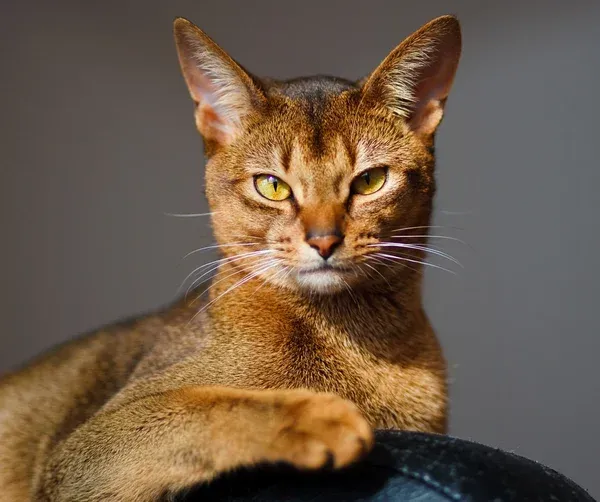
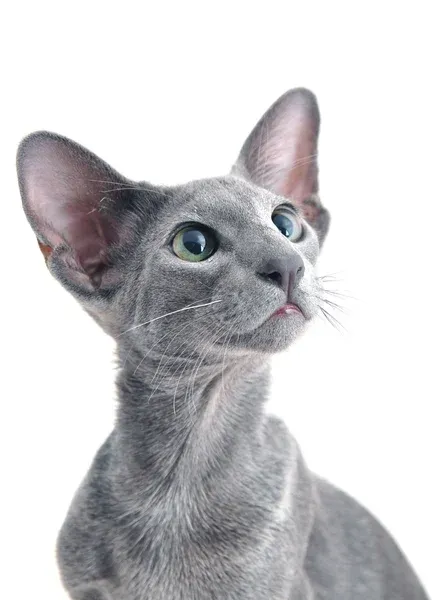
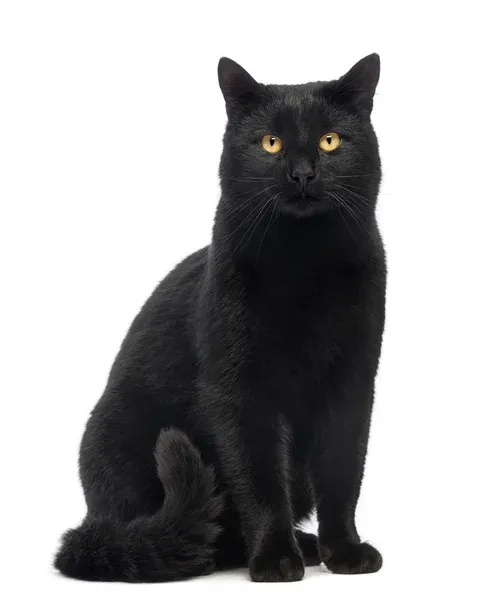
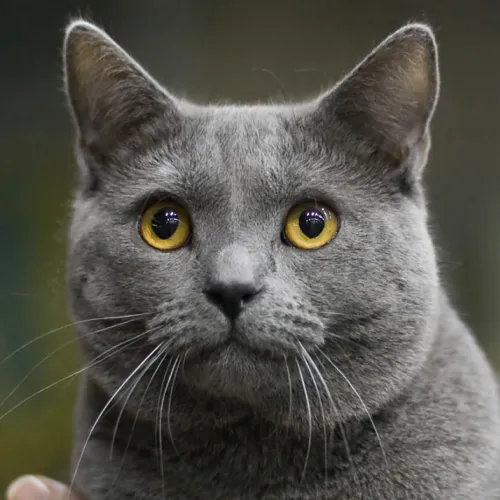
Compare with similar breeds
Frequently Asked Questions
How is the temperament of a Tonkinese cat?
Tonkinese cats are known for being affectionate, social, and playful. They like socializing and developing close relationships with their human companions. They may be trained to perform simple tricks or engage in interactive play. They are extremely intelligent.
Do Tonkinese cats get along well with kids and other animals?
Indeed, Tonkinese cats get along well with kids and other animals in general. They are sociable and like the company of other animals as well as people. Yet, careful introductions and supervision are crucial, just like with any cat.
How active is a Tonkinese cat?
Tonkinese cats are known for having high energy levels. Playtime and engaging activities are enjoyable to them. Their urge for activity can be satisfied by giving them toys and involving them in interactive play sessions.